



GM’s Failed Robotaxis Are Back, But With a New Mission!
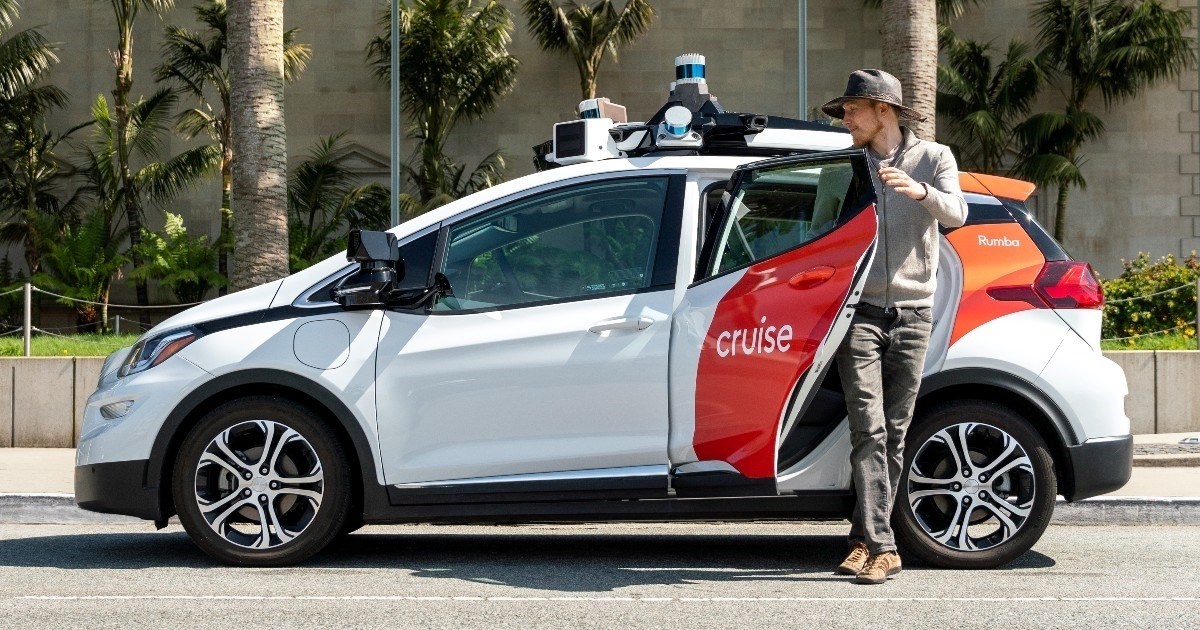
Thought the story of GM’s robotaxis was over? Think again! General Motors shut down its ambitious Cruise robotaxi project, but now those same robotaxis are back on the roads — only they’re not carrying passengers anymore. Instead, GM is using specially equipped Chevrolet Bolts to test revolutionary technology that could soon appear in new Chevrolet, Cadillac, GMC, and Buick models.
What Happened to the Cruise Project?
Cruise was one of General Motors’ biggest bets, with a staggering $10 billion investment and projected annual revenues of $50 billion. Reality, however, was brutal — the project cost GM nearly $2 billion annually, and robotaxi services were only available in a handful of cities like San Francisco, Austin, and Phoenix. The breaking point came with an incident in San Francisco where an autonomous Chevrolet Bolt dragged a pedestrian nearly six meters, leading to the revocation of operating permits and a complete halt of operations.
They’re Back, But With a New Mission!
GM is now using a limited number of Chevrolet Bolts from the former Cruise fleet to test new Super Cruise technology — a driver assistance system already available in some GM vehicles. These cars are equipped with lidar sensors and other autonomous driving tech but do not carry passengers. Testing is underway on highways in Michigan, Texas, and San Francisco, under the watchful eyes of trained safety drivers ready to take control at any moment.
Why Does This Matter?
Though the Cruise project failed, GM hasn’t given up on autonomous technology. Instead of focusing on robotaxi services that proved too costly and risky, the company is integrating autonomous systems into its existing models, potentially revolutionizing how we drive. Super Cruise technology allows drivers to use their hands less, increasing safety and comfort.
What’s Next?
This is just the beginning of a new era in the automotive industry. GM’s decision to leverage lessons learned from Cruise and focus on integrating autonomous tech into production cars could change the game. But will it be enough to recoup massive losses and regain public trust? Only time will tell.
Conclusion
GM’s robotaxis may have failed as a standalone service, but their technology lives on and evolves. If you thought autonomous driving was a dead topic, think again! GM reminds us that in the tech world, failure often turns into a new opportunity. So, what do you think — will autonomous driving finally take off, or is this just another episode in a long series of trial and error? Drop a comment and let’s see who’s for or against this tech revolution!
Slug: gm-failed-robotaxis-return-new-mission