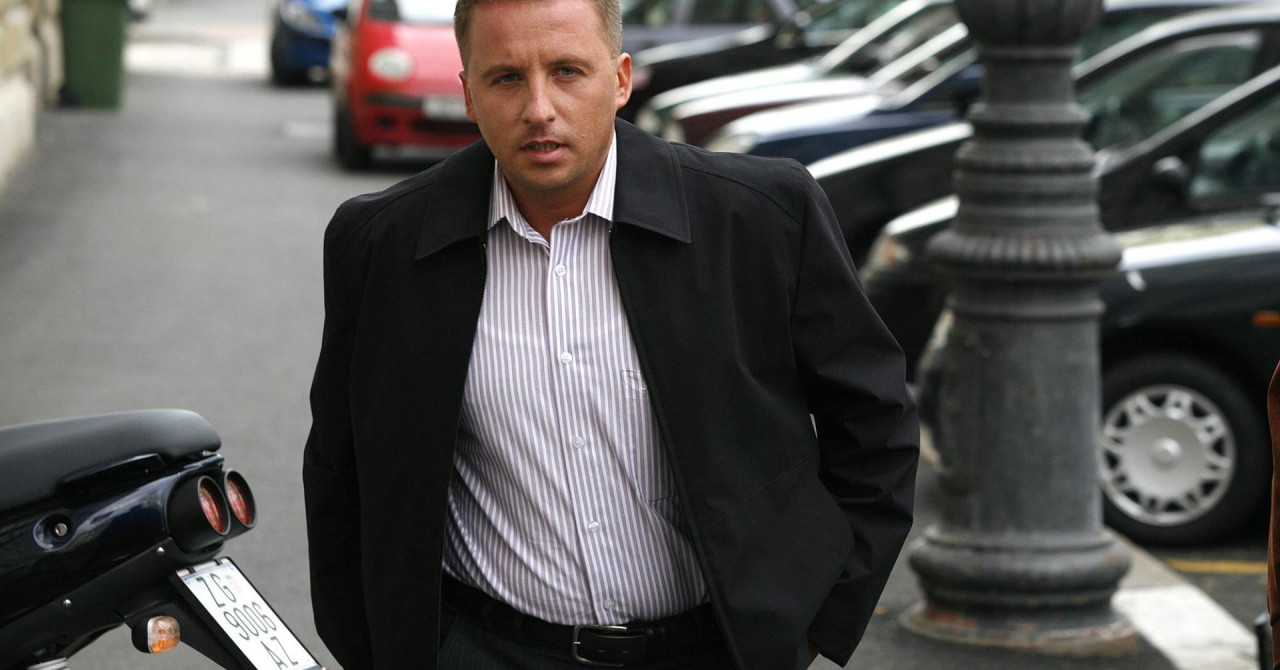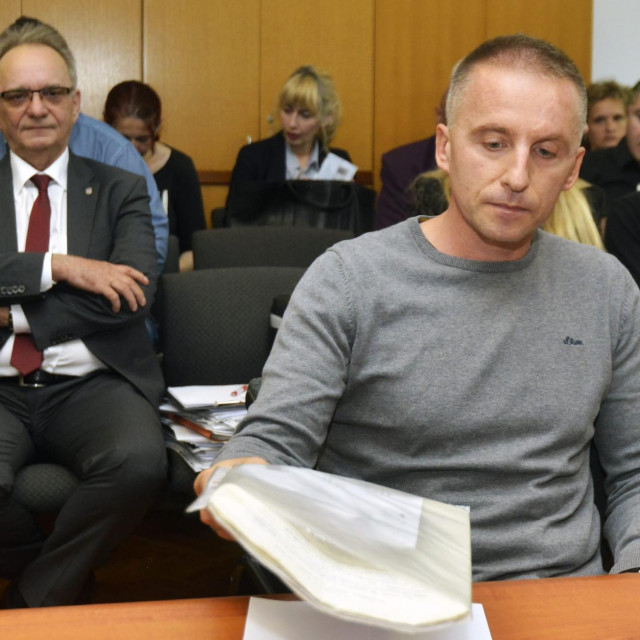




Serbian police have arrested Krunoslav Fehir, who is accused of war crimes against Serbs during the war in Osijek in 1991 under the command of Branimir Glavaš. Fehir was a key witness in the trial of Glavaš and his associates, admitting to participating in torture and killings of Serbian civilians as a minor and expressing remorse. The Croatian Ministry of Foreign Affairs and the embassy in Belgrade have not yet confirmed the arrest officially. The information about the arrest was published by the pro-government Serbian tabloid Informer, which also released details of Fehir’s police testimony. Fehir stated that the crimes were organized and ordered by Glavaš, who was called the ‘alpha and omega’ of the events. His testimonies were crucial in the court proceedings against Glavaš. This event has attracted media attention in the region, and Croatian authorities are monitoring the situation.
Political Perspectives:
Left: Left-leaning sources emphasize the importance of justice and accountability for war crimes, highlighting Fehir’s role as a key witness and his expression of remorse. They focus on the need for reconciliation and the rule of law, while also noting the political sensitivities involved in the arrest and the lack of official confirmation from Croatian authorities.
Center: Centrist sources report the facts of the arrest and the charges against Fehir, presenting the information in a neutral tone. They highlight the ongoing legal processes and the significance of Fehir’s testimony in the trials of Branimir Glavaš, while noting the official statements from Croatian diplomatic channels about the lack of confirmation and consular assistance.
Right: Right-leaning sources tend to emphasize the alleged crimes committed by Fehir and the role of Branimir Glavaš as a commander, often framing the arrest within the context of national security and justice for Serbian victims. They may also highlight the role of Serbian authorities in pursuing war criminals and the importance of upholding Serbian interests.