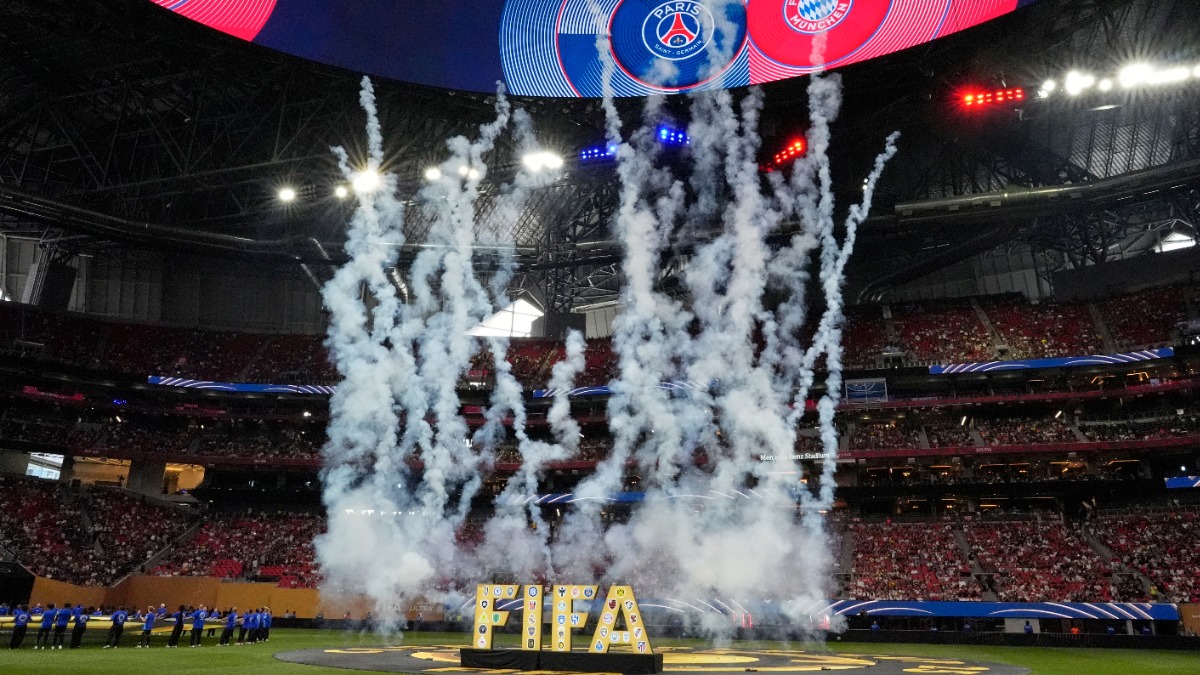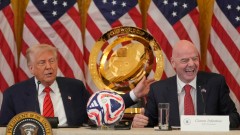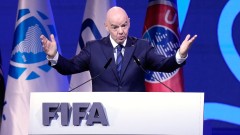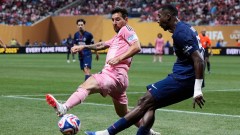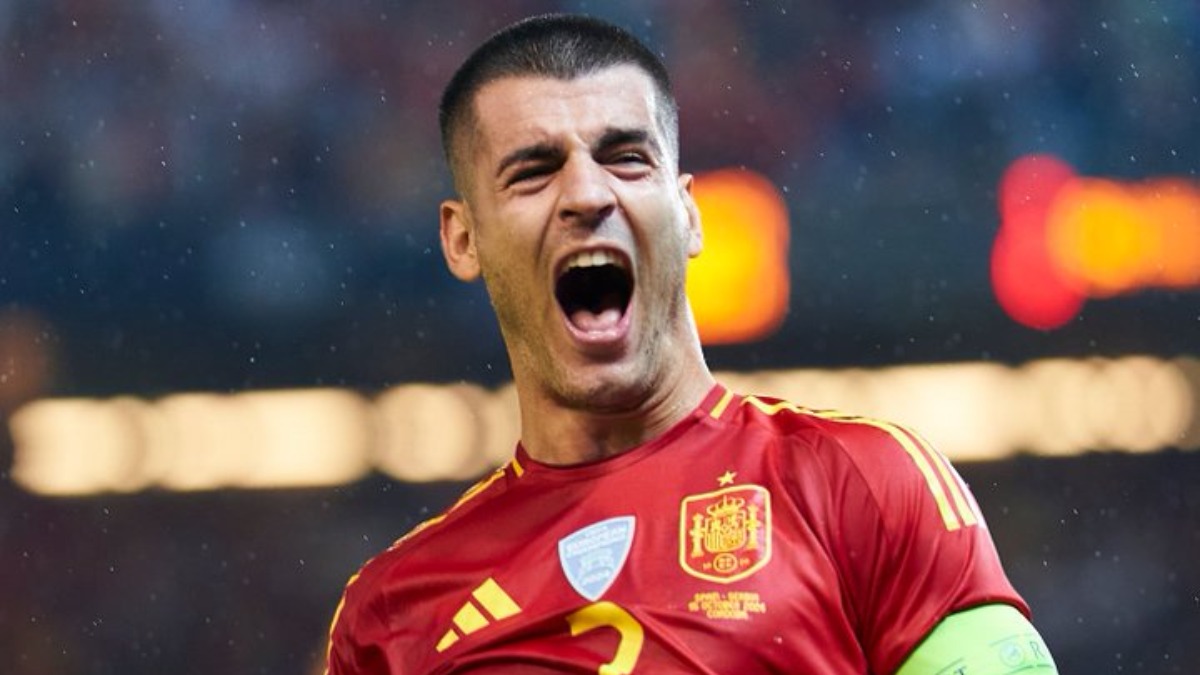




Gianni Infantino claims that the new, expanded Club World Cup is ushering in a revolution in football. But is it really a big bang or just another big bubble? While FIFA praises inclusivity and spectacle, the reality on the pitch and in the stands is far from a fairy tale. Matches were often uneven in quality, some interrupted by weather, and many played in half-empty stadiums. Yet, there were bright moments, like Al Hilal’s historic victory over Manchester City — the first Asian club to beat a European team in this tournament. However, that win didn’t shift the global football power balance, as the same Manchester City had crushed the Asian champions 6-0 just eight days earlier.
FIFA claims to fight elitism and wants to make football truly global, giving chances to clubs from Africa, Asia, and Oceania. But the numbers tell a different story: most prizes still go to European clubs, with five of the last eight participants from Europe. Ticket prices were high, and due to weather and other factors, attendance was below expectations, nowhere near the Super Bowl or European matches.
Al Hilal, funded by Saudi Arabia’s state investment fund, which recently became a FIFA partner, showed seriousness, but that’s part of football geopolitics. Despite talk of football globalization, Europe clearly still holds the main power. The tournament delivered exciting matches and some great performances but feels more like a series of small bangs than one big one that will change football forever. Commercialization, more matches, and travel might lead to the bubble bursting. The football we love remains uncertain — are we heading for a new golden age or just another bubble about to pop?
So, what do you think? Is this the dawn of a new football era or just another flashy show? Feel free to drop your hot takes below — or just laugh at the chaos with us!