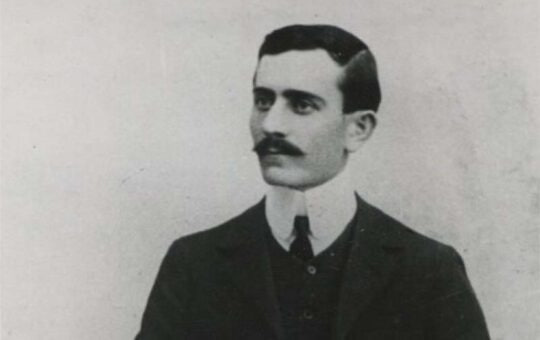





Bogdan Žerajić was a Serbian law student who in 1910 attempted an assassination on Austro-Hungarian General Marijan Varešanin in Sarajevo. After the failed attempt, Žerajić committed suicide to enable his comrades to continue the revolutionary path. His sacrifice inspired the revolutionary youth movement Young Bosnia, which in 1914 organized the assassination of Austro-Hungarian heir Franz Ferdinand. This event holds significant historical importance in the context of the struggle for freedom and national revolution in Bosnia and Herzegovina under Austro-Hungarian occupation.
Political Perspectives:
Left: Left-leaning sources emphasize the anti-imperialist and revolutionary aspects of Bogdan Žerajić’s actions, portraying him as a symbol of resistance against Austro-Hungarian oppression and a martyr for national liberation. They highlight the broader social and political context of imperial domination and the fight for self-determination.
Center: Centrist sources focus on the historical facts and significance of Žerajić’s assassination attempt and its role in inspiring the Young Bosnia movement. They present a balanced view, acknowledging both the revolutionary zeal and the tragic consequences, situating the event within the complex political landscape of early 20th century Bosnia and Herzegovina.
Right: Right-leaning sources tend to emphasize the nationalist and heroic narrative of Žerajić as a patriot who sacrificed himself for the Serbian national cause. They often highlight the legacy of Young Bosnia as a movement striving for Serbian unity and freedom, sometimes framing the events in the context of Serbian national pride and historical struggle.