



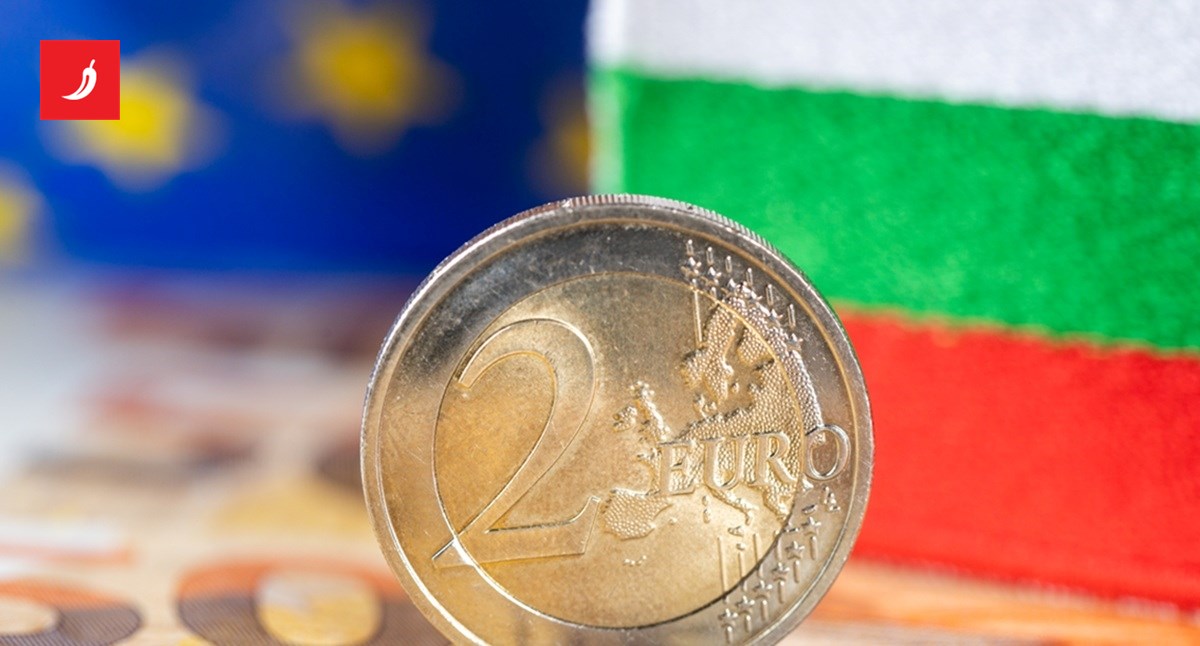
Bulgaria and the Eurozone: Drama, Protests, and Economic Challenges!
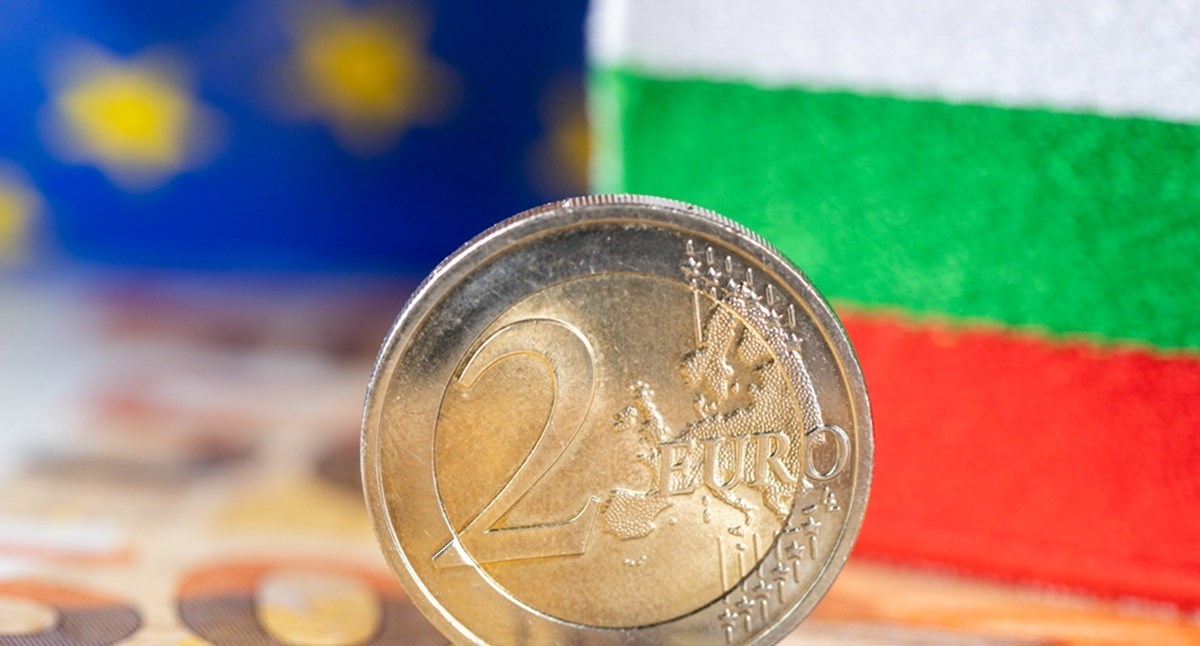
Yesterday, Bulgaria finally got the green light from European Union leaders to adopt the euro as its official currency starting January 1 next year, replacing the Bulgarian lev. This is a historic moment for a country that has been an EU member since 2007 but still struggles with economic challenges.
Finally adopting the euro – what’s going on?
EU leaders at the Brussels summit supported the European Commission’s proposal, making Bulgaria the 21st member of the eurozone. Previous attempts were rejected, but now all criteria such as price stability, public finances, and exchange rate stability have been met. The European Central Bank and European Parliament still need to give formal approvals, but these are considered formalities.
Bulgaria’s economy – poor but growing
Bulgaria is one of the poorest EU countries by GDP per capita but has higher growth rates than many other members. Inflation is relatively low and stable, with an expected rate of 3.6% this year and 1.8% next year, contributing to a positive assessment for eurozone entry.
The people are furious – protests and fears
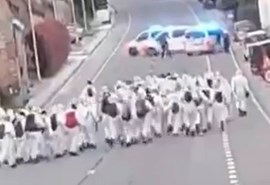
However, the euro adoption has not gone without resistance. In February, nationalists set fire in front of the EU representation in Sofia, throwing Molotov cocktails and eggs. Last month, supporters of pro-Russian nationalist parties demonstrated in Sofia and other cities, calling to keep the lev due to fears of price increases.
Euro opponents collected over 200,000 signatures for a referendum, but the Bulgarian parliament rejected the initiative twice. According to a May poll, 54.9% of adult Bulgarians oppose euro adoption, while 34.4% support it.
What does this mean for Bulgaria and the Balkans?
Bulgaria would be the first country to adopt the euro after Croatia, which could have a significant impact on the region. Joining the eurozone brings benefits like a more stable currency and easier trade but also risks, especially if inflation rises and prices soar, which is the biggest fear among citizens.
Is this the end of the lev?
For now, the lev will be replaced by the euro, but the question is how this will affect Bulgarians’ daily lives. Price increases and loss of monetary control are real risks. Protests and resistance show that the people are not ready to accept this change easily.
Conclusion
Bulgaria stands on the brink of a major change but with big challenges. Will euro adoption bring prosperity or new problems? One thing is clear – Bulgarians are unhappy and ready to fight for their interests.
Got thoughts on this euro madness? Drop a comment below – let’s see who’s for it and who’s against! Maybe you have the solution to Bulgaria’s dilemma.