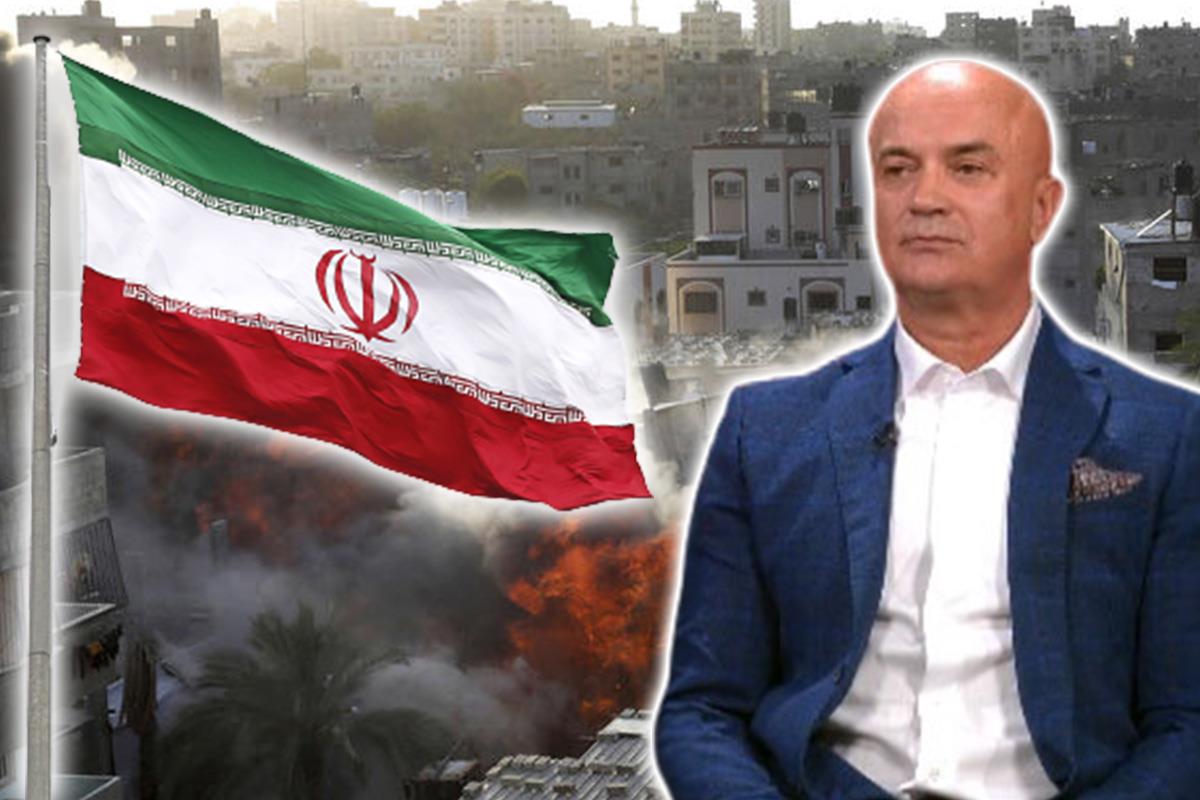





The conflict between Iran and Israel has escalated dramatically with airstrikes, missile attacks, and diplomatic tensions. Iranian Supreme Leader Ayatollah Khamenei condemned Israel and the US, promising punishment for Israel due to the attacks, while Israel claims the strikes target Iranian nuclear and military facilities. The US is considering possible military intervention, while the international community calls for de-escalation. Analyses point to a geopolitical conflict of great powers, with Iran as an ally of China and Israel and the US as opponents. Media narratives vary, emphasizing Iran’s nuclear program, regional security, and the potential for a wider war in the Middle East.
Political Perspectives:
Left: Left-leaning reports tend to emphasize the dangers of military escalation and the risk of a wider regional war. They highlight the humanitarian impact, criticize aggressive rhetoric from all sides, and call for diplomatic solutions and de-escalation. They often question the motives behind military actions and stress the role of global powers in exacerbating the conflict.
Center: Center-leaning coverage focuses on factual reporting of the events, including the military actions, statements from leaders, and international responses. It presents the conflict as a complex geopolitical struggle involving Iran’s nuclear ambitions and Israel’s security concerns, while noting the risks of escalation and the importance of diplomacy.
Right: Right-leaning narratives emphasize Israel’s right to defend itself against Iranian aggression and the threat posed by Iran’s nuclear program. They often support strong military responses and highlight Iran’s alliances with adversarial powers like China and Russia. The conflict is framed as part of a broader struggle against terrorism and authoritarian regimes.