



Croatia’s Car Crisis: Average Vehicle Age Over 13 Years, Electric Cars Are Being Ignored!
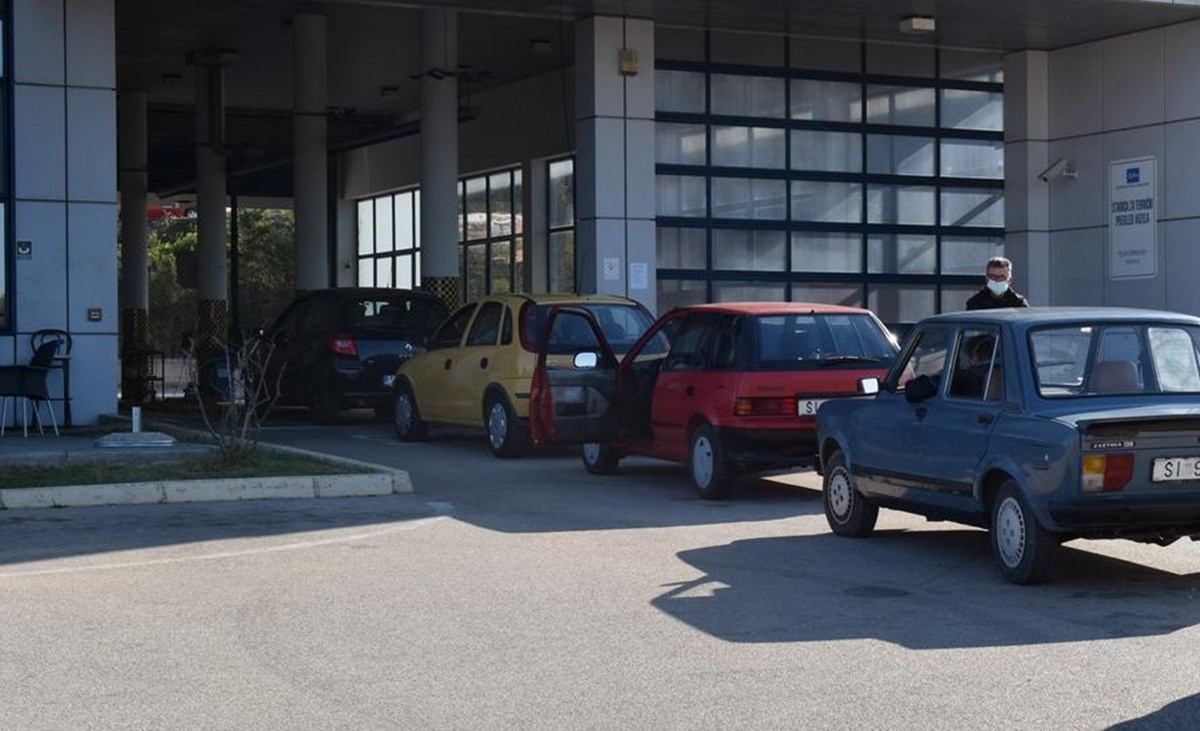
Did you know the average age of cars in Croatia is nearly 15 years? Yes, you read that right! While the world races towards an electric revolution, here in Croatia, people are still driving cars that are over a decade old. And not only that, the number of new electric cars registered is actually falling, while diesel and petrol cars continue to dominate the roads.
Vehicle Age – An Alarming Statistic
According to the Croatian Vehicle Center (CVH), the average age of all vehicles in Croatia is 14.8 years, with passenger cars averaging 13.3 years old. That means most drivers are cruising around in cars practically from the last century! Although the number of first registrations of new cars increased by 4.5%, it’s not nearly enough to rejuvenate the fleet.
Electric Cars? No Thanks!
While electric cars are gaining popularity worldwide, Croatia is going the opposite way. The number of new electric vehicles registered in the first half of the year dropped by a staggering 19% compared to the same period last year. Only about 1,000 new electric cars were registered, shockingly low for a country that should be following sustainable mobility trends.
In contrast, petrol and diesel cars still rule. Among new cars, 48.23% are petrol-powered, while among used cars, diesels are the most popular at 58.81%. Hybrid vehicles remain rare, with only about 2,000 plug-in hybrids registered.
Why Is This a Problem?
Old cars aren’t just outdated; they’re dangerous for road safety. CVH’s assistant director, Tomislav Škreblin, emphasizes that technical inspections play a key role in ensuring safety for all road users. But how long can we rely on inspections when the fleet is so old?
Besides safety, there’s an environmental problem. Old cars pollute the environment far more than new ones, especially electric and hybrid vehicles. Croatia, as an EU member, is obliged to reduce harmful emissions, but with such an aging fleet, that seems like a distant dream.
What’s Next?
If the trend doesn’t change, Croatia will continue to drive old, dirty, and inefficient cars. Electric vehicles, the future of transport, are failing to break into the market. Is it due to lack of subsidies, poor charging infrastructure, or simply driver habits? These are questions that need answers.
Conclusion
Croatia is stuck in the past when it comes to cars. While the world moves forward, we’re still driving old diesels and petrol cars, and electric vehicles are being ignored. If we want safer and cleaner roads, it’s time for drastic changes – and fast!
So, what about you? Still driving a car older than ten years? Or have you already switched to electric? Drop a comment and let’s see who’s stuck in the last century and who’s driving the future!