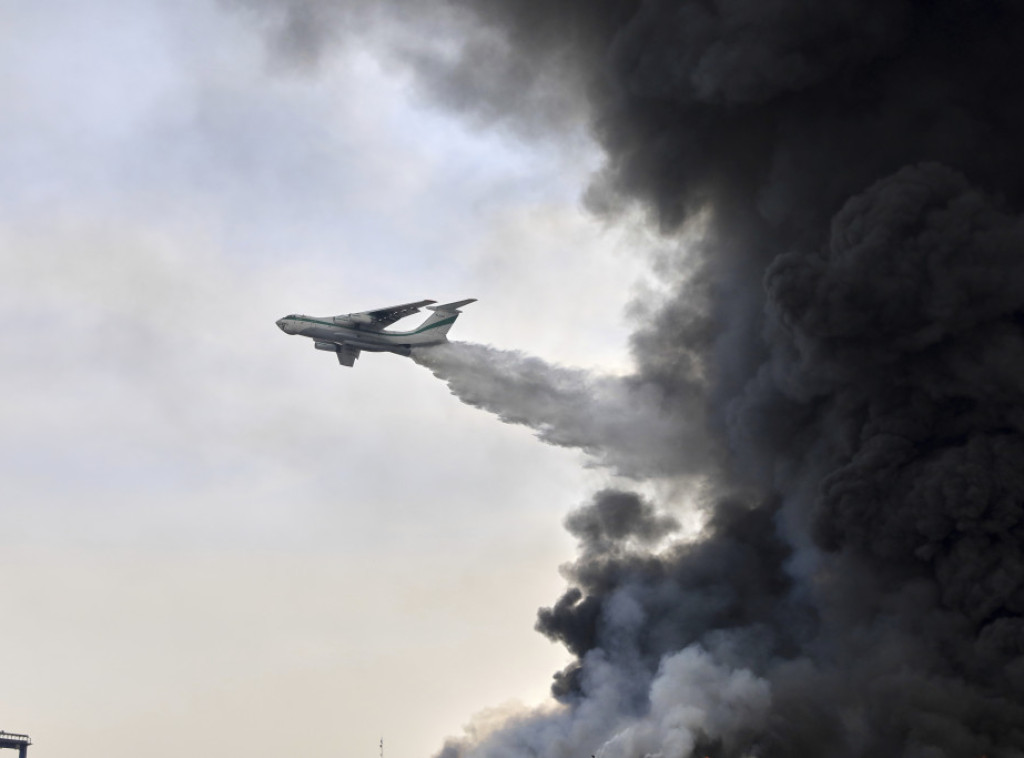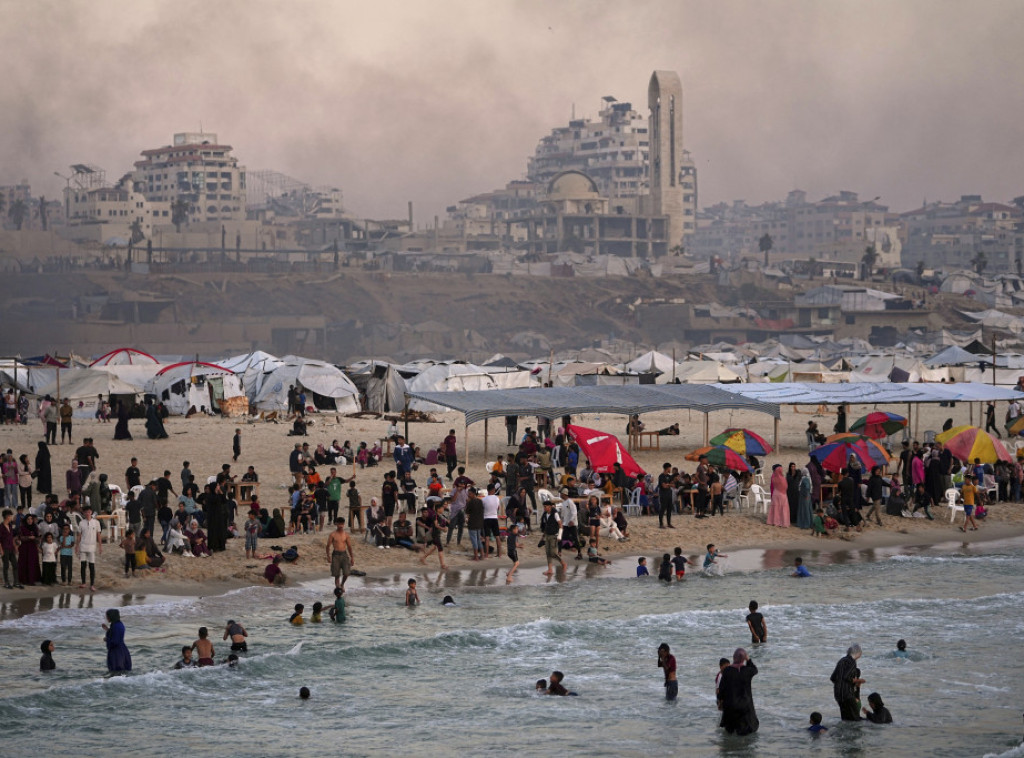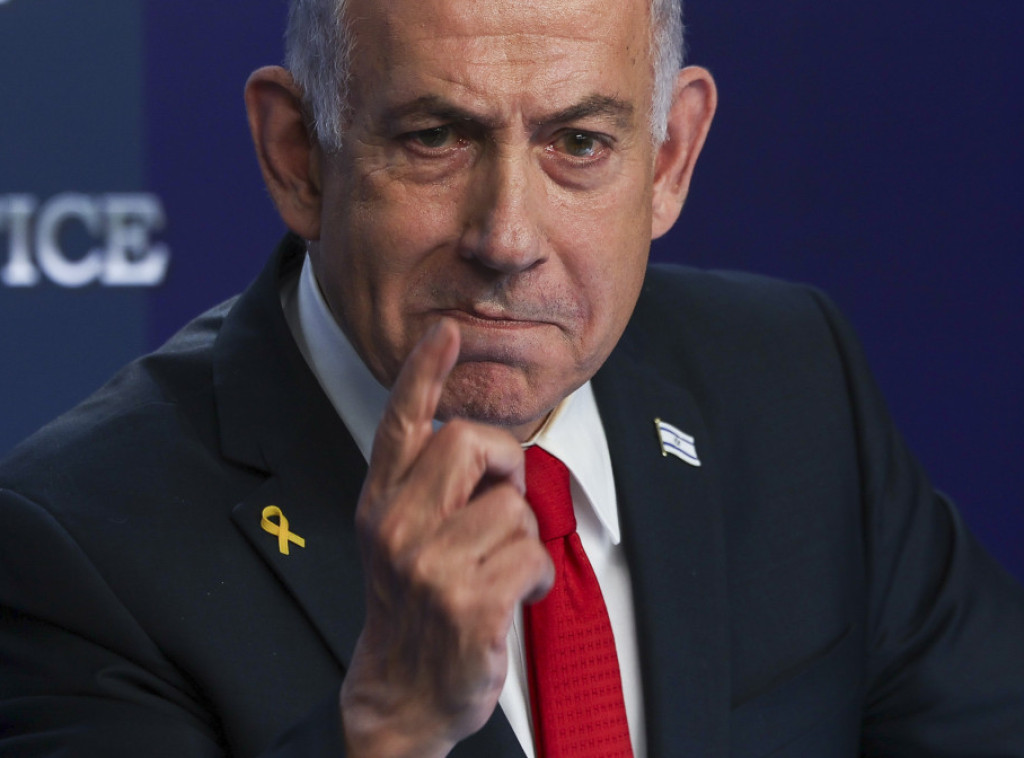





Further escalation of the conflict between Israel and Iran could lead to a significant increase in oil prices, with the possibility of the barrel exceeding 100 US dollars, according to analyst Vladan Pavlović. The psychological effects of the conflict have already pushed the oil price to 73 dollars per barrel, although there is currently no direct impact on supply. Closure of the Strait of Hormuz and attacks on oil facilities could further increase the price. If tensions ease, the price could fall to 55-65 dollars per barrel. This conflict has the potential to affect the global energy market and economy.
Political Perspectives:
Left: Left-leaning sources tend to emphasize the human cost and geopolitical instability caused by the Israel-Iran conflict, highlighting the risks of escalating violence and its impact on global energy prices. They often critique the role of major powers in exacerbating tensions and call for diplomatic solutions to avoid economic hardship for ordinary people worldwide.
Center: Center-leaning reports focus on the economic implications of the Israel-Iran conflict, particularly the volatility in oil prices and potential disruptions in supply routes like the Strait of Hormuz. They provide balanced analysis on how geopolitical tensions influence global markets and stress the importance of monitoring developments to anticipate economic impacts.
Right: Right-leaning narratives emphasize the strategic and security aspects of the Israel-Iran conflict, often highlighting Iran’s military capabilities and threats to global energy security. They may stress the need for strong defense measures and support for Israel, framing the conflict within broader concerns about regional stability and energy independence.