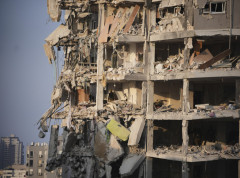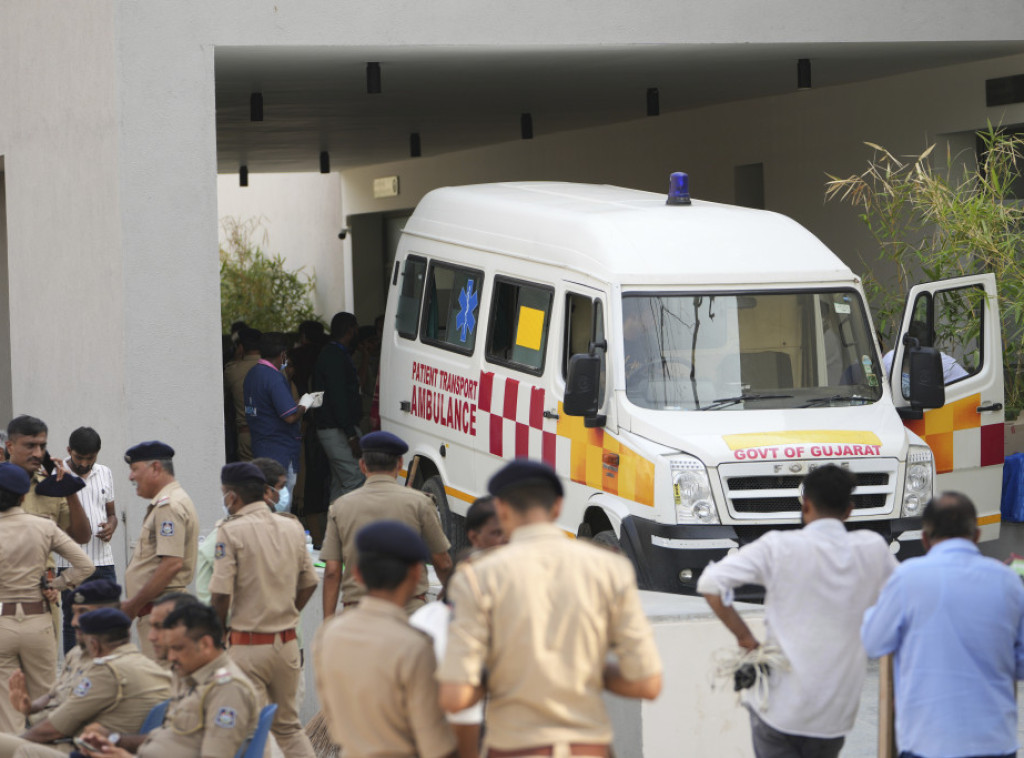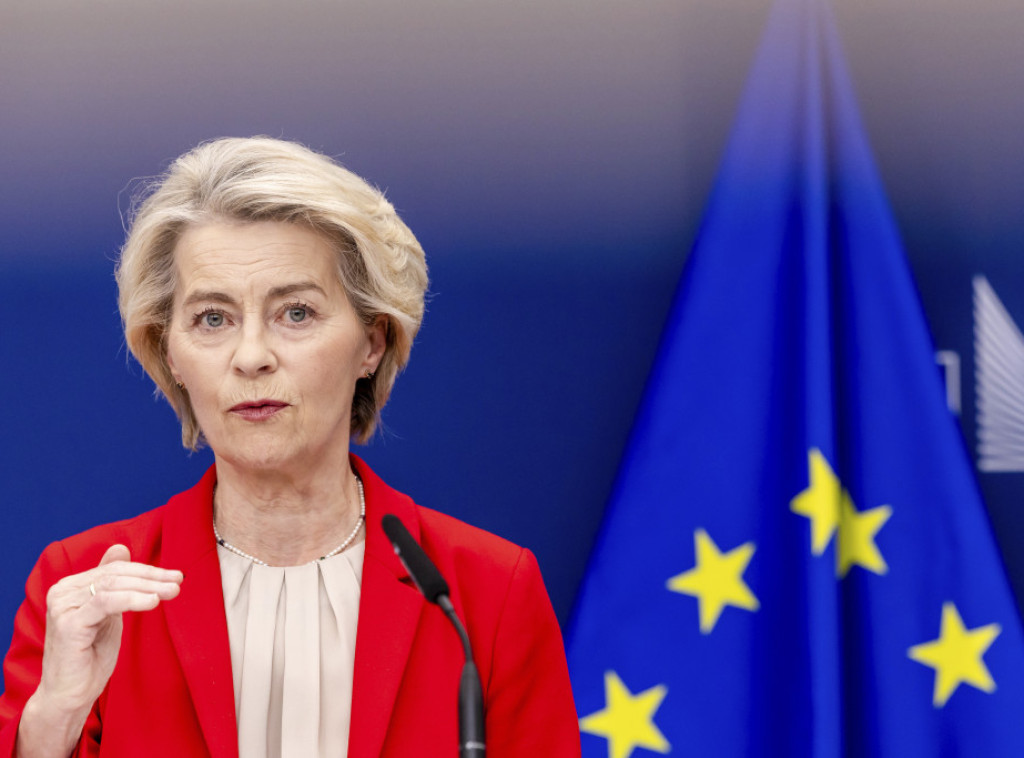





The Israel-Iran conflict has escalated over several days of intense military strikes. Israel conducted airstrikes on Iranian nuclear facilities and military targets aiming to halt Iran’s nuclear program, which it views as an existential threat. Iran retaliated with missile attacks on Israeli cities, killing at least eight people and injuring dozens. Both sides have suffered significant losses, including the killing of Iranian nuclear scientists and high-ranking military officials. The situation has raised international concern, with calls for diplomatic solutions as nuclear talks between Iran and the US are postponed. Israeli Prime Minister Netanyahu emphasizes that the strikes aim to eliminate the nuclear threat, while Iran promises a stronger response. The conflict also impacts the global economy, particularly oil prices, due to potential disruptions in the Strait of Hormuz. Major powers including the US, Russia, and EU countries are monitoring the situation and urging de-escalation.
Political Perspectives:
Left: Left-leaning sources tend to emphasize the human cost of the conflict, highlighting civilian casualties and the dangers of military escalation. They often call for diplomatic solutions and criticize aggressive military actions by both Israel and Iran. The narrative may include concerns about the impact on regional stability and the global economy, advocating for peaceful negotiations and humanitarian considerations.
Center: Center-leaning sources report the facts of the conflict with a balanced view, acknowledging the security concerns of Israel regarding Iran’s nuclear program while also noting Iran’s retaliatory actions. They emphasize the complexity of the situation, the international diplomatic efforts, and the risks of further escalation. The coverage tends to focus on verified information and official statements from both sides and international actors.
Right: Right-leaning sources often highlight Israel’s right to defend itself against what they describe as an existential threat posed by Iran’s nuclear ambitions. They emphasize the legitimacy of Israeli military actions and may portray Iran as the aggressor destabilizing the region. The narrative supports strong military responses and stresses the importance of preventing Iran from acquiring nuclear weapons, sometimes linking the conflict to broader geopolitical struggles involving the US and its allies.