




EU at a Crossroads: Enlargement or Paralysis?
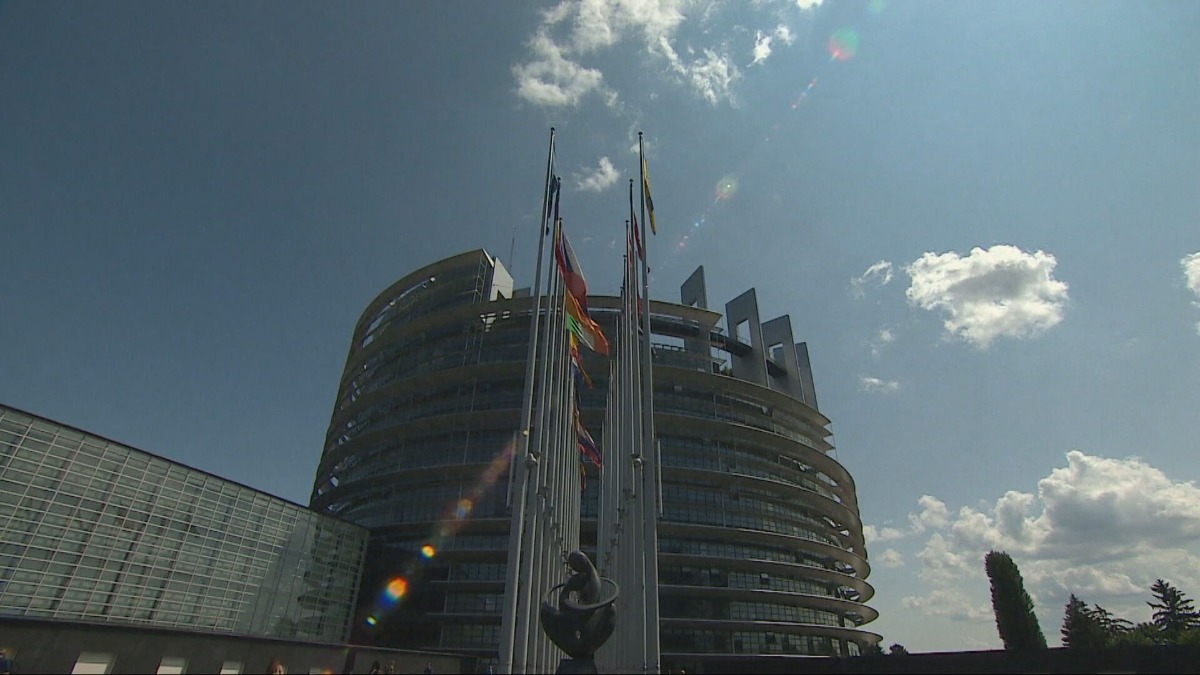
The European Union stands at a crossroads. The second half of the year brings a revision of policies aimed at enabling the admission of new members. But is there political will to make it happen? EU spokesperson Guillaume Mercier announces a deep analysis and reforms in key areas such as rule of law, food security, defense, migration, energy, and climate. Sounds like a plan for a better Europe, but analysts warn — it’s not that simple.
Reforms are necessary, but…
The European Parliament has made it clear that enlargement requires reforms from both candidate countries and the Union itself. Sandro Goci, EP rapporteur, states that reforms are not an excuse to stop enlargement but an absolute necessity. However, many member states have yet to decide on enlargement. Some even consider avoiding large-scale enlargement or accepting only “easily digestible” countries.
Big challenges and political hesitation
Janis Emanulidis from the Centre for European Policy in Brussels points out that hesitation exists, especially regarding large rounds of enlargement, including potentially Ukraine. The European Commission should be more proactive and direct in insisting on substantive reforms, rather than appeasing member states that block decisions.
A 27-member Union already struggles to function
Sandro Goci warns that the EU already faces legitimacy and functioning problems with 27 members. Unanimous decision-making often leads to blockades and blackmail. A shift to majority voting is proposed, which could speed up processes but also cause new tensions.
What does this mean for future members?
Countries wishing to join the EU want an efficient and powerful democracy, not a paralyzed union unprepared to welcome them. Therefore, it is crucial that both candidates and members do their homework — implement reforms and prepare for the future.
Conclusion: Will the EU survive its enlargement?
The European Union is at a turning point. Will it manage to reform and prepare for new members, or will political hesitation and internal blockades halt the process? One thing is certain — no reforms, no enlargement; no enlargement, the EU risks remaining a closed and inefficient community.
What do you think? Does the EU have the strength to face these challenges, or will it all end in empty promises? Drop a comment, let the people’s voice be heard — because hey, politics isn’t just for politicians, right?