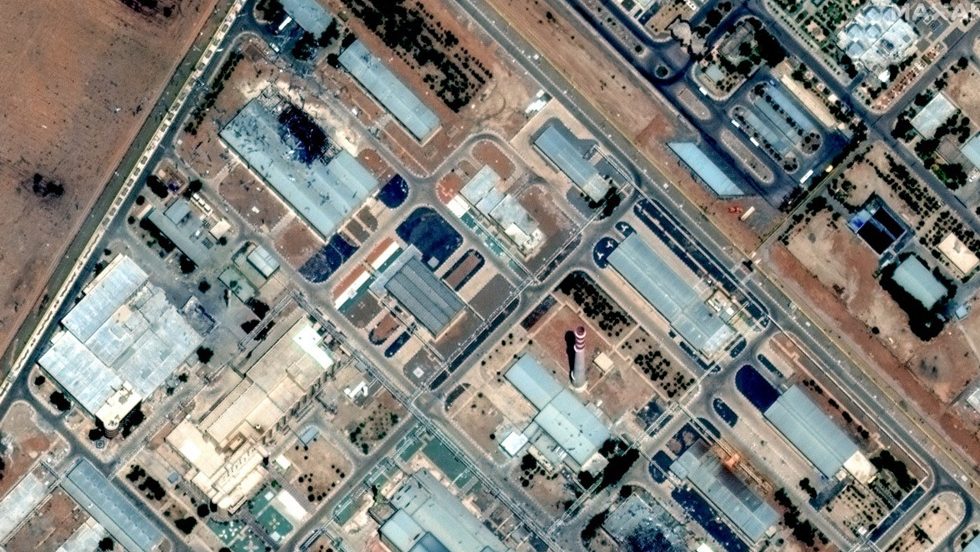





The conflict between Israel and Iran has escalated into a dangerous phase with massive rocket attacks and airstrikes, including targeting Iranian nuclear facilities. Israel launched a major offensive to prevent the development of Iran’s nuclear program, while Iran retaliates with ballistic missiles. The situation has raised fears of the conflict spreading to a wider region and potential global economic consequences, especially due to threats to close the Strait of Hormuz, a key oil artery. As casualties rise, diplomatic tensions increase, and the international community calls for de-escalation. Croatian and Serbian consuls in Israel were injured in attacks, and evacuation of tourists and citizens is complicated by closed airspace. Iran has announced withdrawal from a key nuclear non-proliferation treaty, while Israel claims Iranian leaders are planning to flee. The conflict has sparked global concern over the possibility of a nuclear incident and economic disruptions.
Political Perspectives:
Left: Left-leaning outlets emphasize the human cost of the conflict, the dangers of escalation into a wider regional war, and the need for diplomatic solutions. They often highlight the risks of nuclear proliferation and criticize aggressive military actions by both sides, calling for international mediation and peace efforts.
Center: Centrist sources report the facts of the conflict, focusing on the military developments, the strategic importance of the Strait of Hormuz, and the global economic implications. They provide balanced coverage of both Israeli and Iranian perspectives, emphasizing the complexity of the situation and the urgent need for de-escalation.
Right: Right-leaning media tend to emphasize Israel’s right to defend itself against Iranian aggression and the threat posed by Iran’s nuclear ambitions. They often highlight the support of allies like the United States and frame the conflict as a necessary action to prevent nuclear terrorism and protect regional and global security.