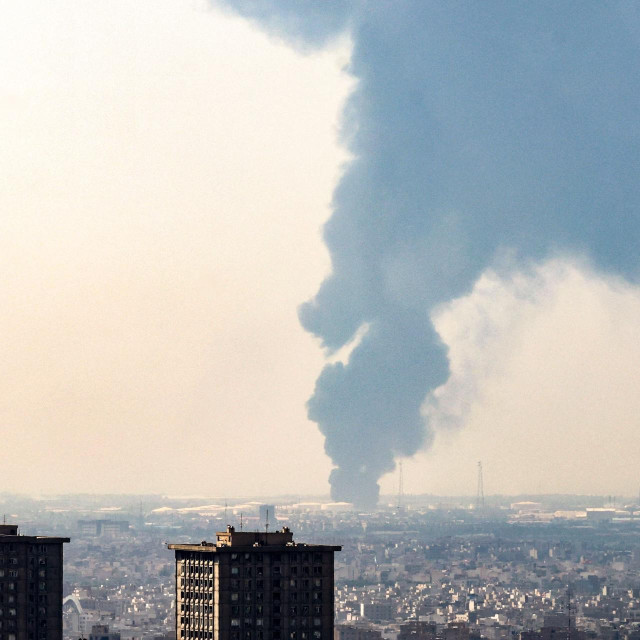





Israeli military forces have conducted a series of airstrikes on targets in Iran, including nuclear and military facilities, prompting Iranian rocket attacks on Israel. Israeli officials emphasize that the goal is to eliminate the nuclear threat from Iran, while Iranian authorities claim their rocket actions are a response to Israeli strikes. This conflict raises concerns about regional stability and the global economy, especially due to potential impacts on oil routes. Various sources from left, center, and right political perspectives highlight different aspects of the conflict, including the legitimacy of Israeli defense, Iranian aggression, diplomatic efforts, and geopolitical consequences.
Political Perspectives:
Left: Left-leaning sources tend to emphasize the dangers of escalating military conflict in the Middle East, highlighting the humanitarian impact and the risks of broader regional destabilization. They often call for diplomatic solutions and criticize aggressive military actions by both Israel and Iran, focusing on the need to protect civilian lives and prevent further violence.
Center: Center-leaning sources report the facts of the conflict with a focus on the security concerns of Israel regarding Iran’s nuclear program. They present the Israeli strikes as defensive measures aimed at neutralizing a perceived existential threat, while also acknowledging Iran’s retaliatory rocket attacks. These sources often stress the importance of diplomatic efforts to de-escalate tensions and maintain regional stability.
Right: Right-leaning sources emphasize Israel’s right to defend itself against Iran’s nuclear ambitions and portray Iran as the aggressor threatening regional and global security. They support strong military responses to Iran’s provocations and often highlight the strategic importance of preventing Iran from acquiring nuclear weapons. These sources may also underscore the role of Western allies in supporting Israel and countering Iranian influence.