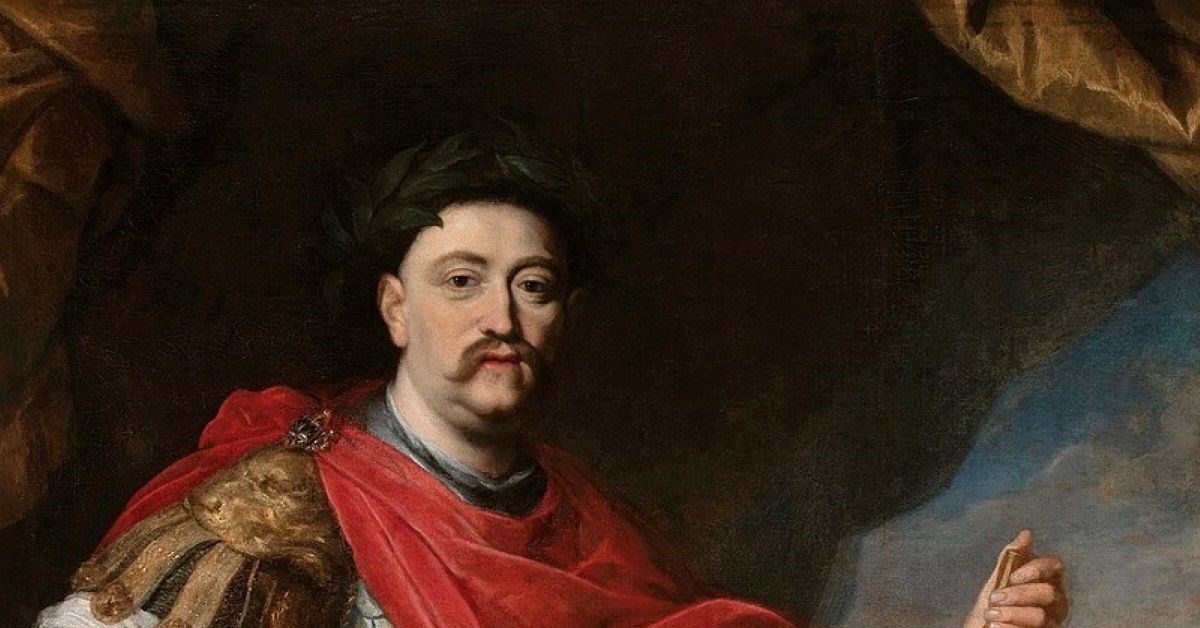





Jan Sobieski was one of the most famous rulers of the Polish-Lithuanian Commonwealth in the 17th century, known for his military skill and reforms. The most significant event of his reign was the defense of Vienna from the Ottoman Empire in 1683, when he led allied forces and successfully broke the siege of the city. His victory marked a turning point in the fight against the Ottomans in Europe and made him a legend and savior of Christian Europe. After the battle, Sobieski enjoyed great respect and his role in history remains significant today.
Political Perspectives:
Left: Left-leaning sources tend to emphasize Jan Sobieski’s role as a defender of the oppressed Christian populations against Ottoman expansion, highlighting the broader context of resistance against imperialism and the importance of unity among European nations. They may also focus on the social reforms he attempted within the Polish-Lithuanian Commonwealth.
Center: Centrist sources present a balanced view, focusing on Sobieski’s military achievements, his political role as an elected monarch, and the historical significance of the Battle of Vienna as a turning point in European history. They highlight his leadership qualities and the alliance-building that was crucial for the victory.
Right: Right-leaning sources often glorify Jan Sobieski as a heroic Christian warrior and savior of Western civilization, emphasizing his role in defending Europe from the Muslim Ottoman Empire. They may also stress his personal virtues, his piety, and his legacy as a symbol of national pride and Christian values.