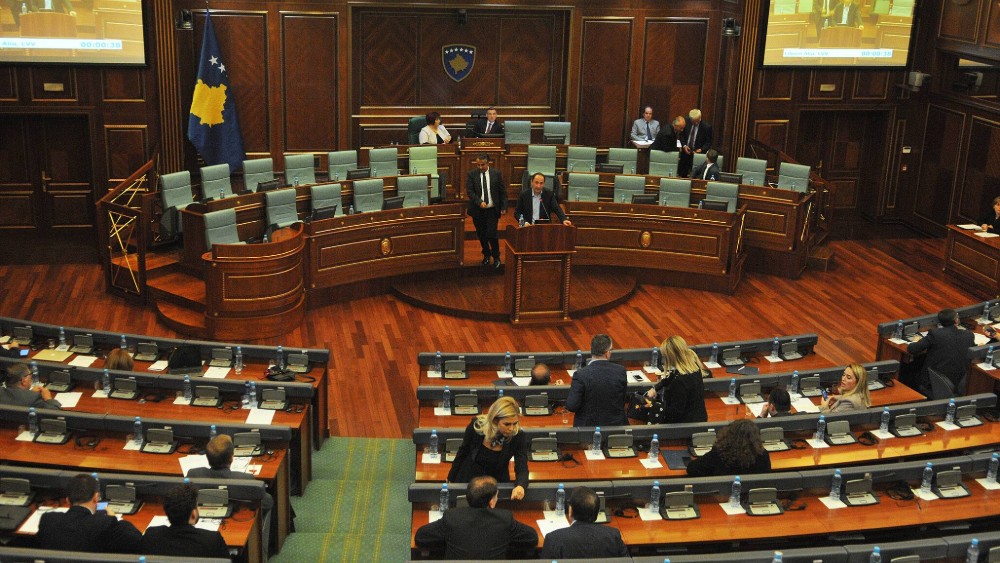




The political deadlock in forming the new Kosovo Assembly continues four months after the parliamentary elections held on February 9. Lawmakers have met 32 times without success in constituting the assembly, preventing the formation of a new government. The main issue is the election of the president and vice-presidents of the assembly, where proposals from the Self-Determination movement have been rejected by other parties. Kosovo President Vjosa Osmani and diplomatic representatives of the Quint call for the swift formation of institutions due to damage to the credibility and progress of the country. Similar situations are reported in other media with different emphases on political conflicts and blockades.
Political Perspectives:
Left: Left-leaning reports emphasize the political deadlock as a failure of the established parties to cooperate, highlighting the obstruction by opposition parties and the need for inclusive governance. They often support the Self-Determination movement’s proposals and criticize the Democratic Party of Kosovo and other traditional parties for blocking progress.
Center: Center-leaning reports focus on the procedural aspects of the parliamentary formation, presenting the facts of repeated failed attempts to form the assembly and the political disagreements without strong bias. They highlight the calls from Kosovo’s president and international diplomats for resolution and stress the importance of forming institutions for the country’s progress.
Right: Right-leaning reports tend to emphasize the challenges posed by the Self-Determination movement and the political instability caused by their insistence on certain candidates. They may highlight the opposition from other parties as a defense of political balance and criticize the movement for causing division. They also stress the importance of stability and the role of traditional parties.