



Montenegro and the EU: Public Procurement Under Scrutiny, Negotiations Closed with Major Warnings
Did Montenegro really close Chapter 5 on public procurement in its EU accession talks, or is this just another sham? The negotiations officially ended on June 27, but with so many warnings and conditions, one has to ask – is this closure or just a temporary closure with a huge question mark?
What’s going on behind the scenes?
Montenegro promised Brussels that by the first quarter of next year, it will urgently amend its public procurement and anti-corruption laws. This includes strengthening controls, introducing direct administrative liability, and more precisely addressing corrupt practices. It sounds like the government finally realized it can’t play games with EU principles of transparency and fair competition.
But the EU made it clear it will closely monitor the implementation of these obligations. Otherwise, the chapter can be reopened. Yes, you read that right – the closure is not final! It’s like being handed the keys to a house but constantly threatened that they’ll be taken away if you don’t follow every single rule.
Why all the uncertainty?
One reason is the contract with the United Arab Emirates, which caused a storm in Brussels. The EU demands that all international agreements comply with EU legal standards, especially in public procurement. However, the UAE agreements exempt the application of national public procurement laws, which is a red line for the EU.
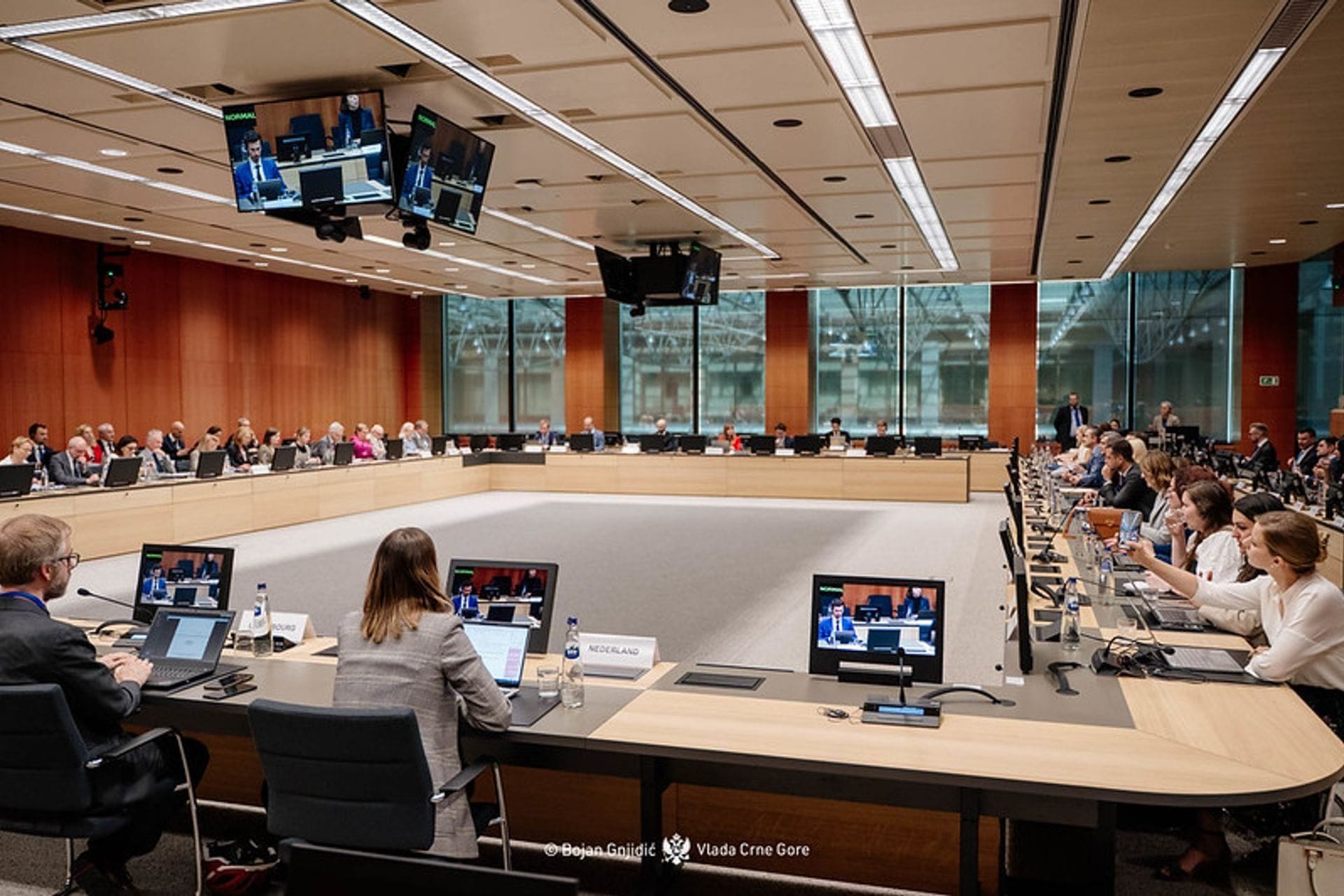
Some member states’ representatives, like the Netherlands, expressed serious reservations and demanded further clarifications. The Netherlands, known for its strict adherence to EU principles, was not willing to accept the chapter closure lightly.
Who was at the conference?
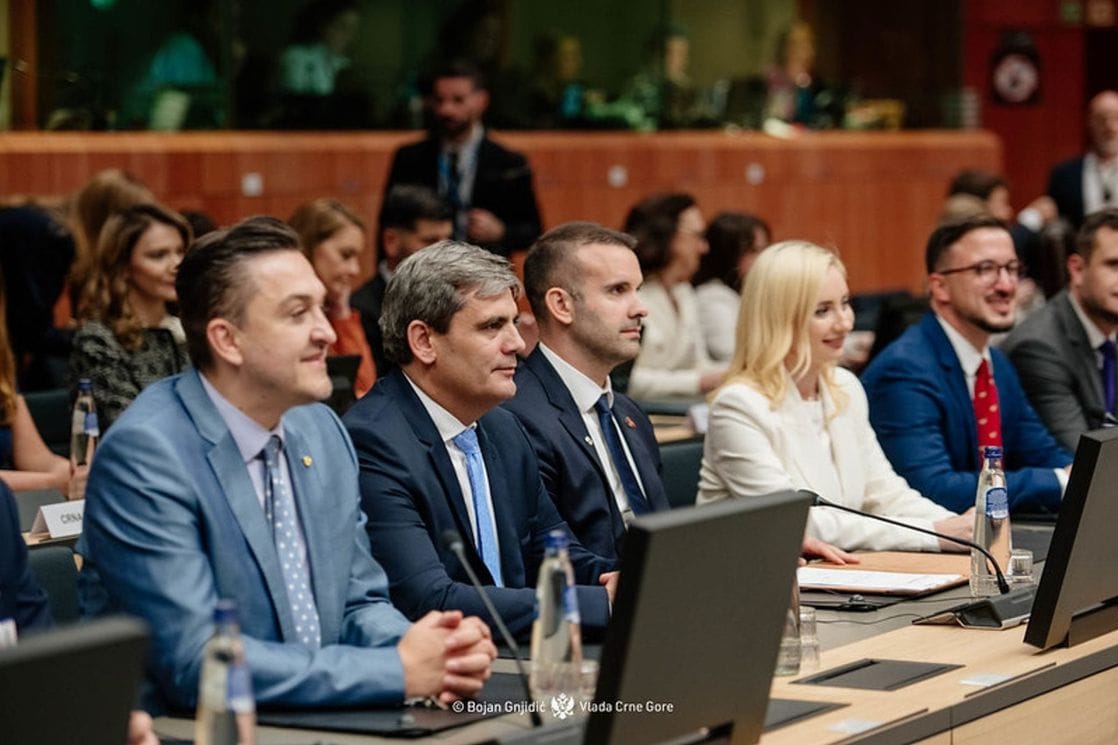
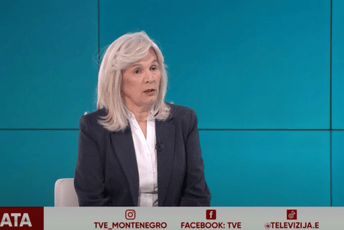
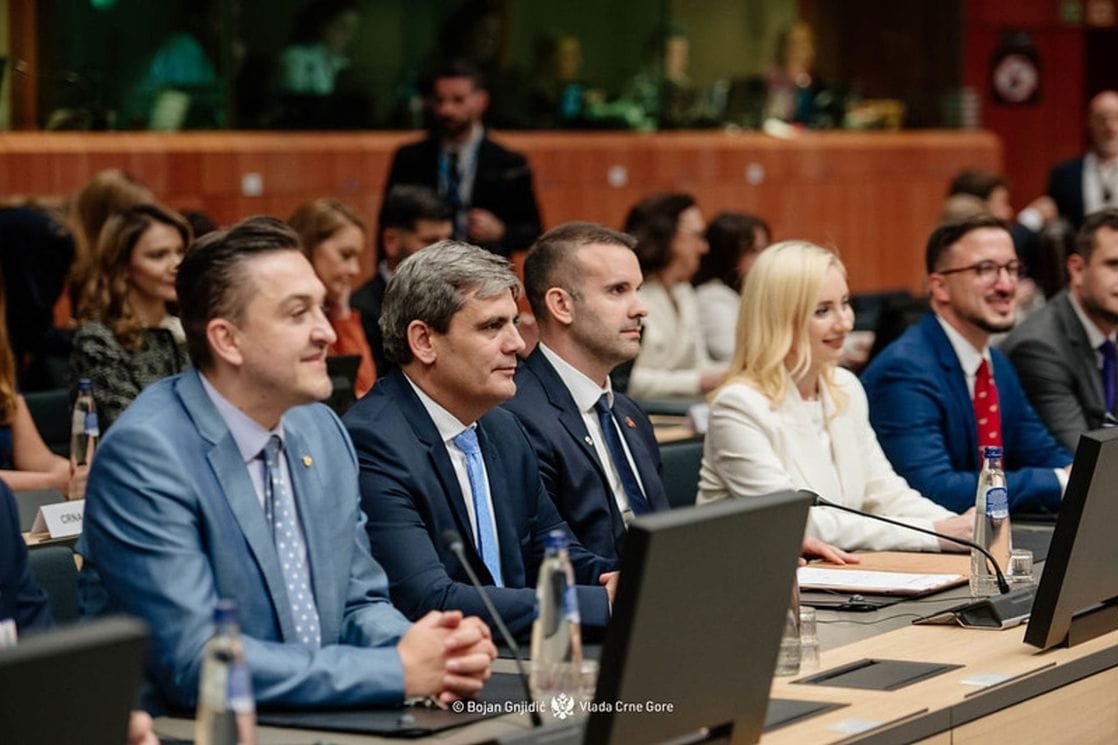
Interestingly, EU Enlargement Commissioner Marja KOS was not present at the intergovernmental conference where Chapter 5 was formally closed. Instead, the conference was chaired by the Polish ambassador, as Poland currently holds the EU presidency. This absence fueled doubts about the real weight and seriousness of the chapter closure.
What does this mean for Montenegro?
Montenegro went through the eye of the needle. The chapter closure is temporary and conditional on fulfilling numerous demands. If laws are not amended by the first quarter of next year, or if suspicious deals with private companies continue, the EU will react. This is a clear signal that the European path cannot be bought or faked.
Conclusion: Drama without end?
The negotiations on Chapter 5 are over, but with so many warnings and conditions that it can be said they are only postponed. Montenegro got a chance but also a stern warning. Whether the government will seize the opportunity and truly implement reforms or continue old games remains to be seen.
Meanwhile, we remain spectators of this European soap opera and wonder – who is really fooling whom here? What do you think? Is Montenegro truly on the European path, or is this just another show for the public? Drop a comment, let’s see who’s for and who’s against!