




Montenegro and the Just Energy Transition: Myth or Reality?
Montenegro’s Government and the Energy Transition – Big Talk or Real Plan?
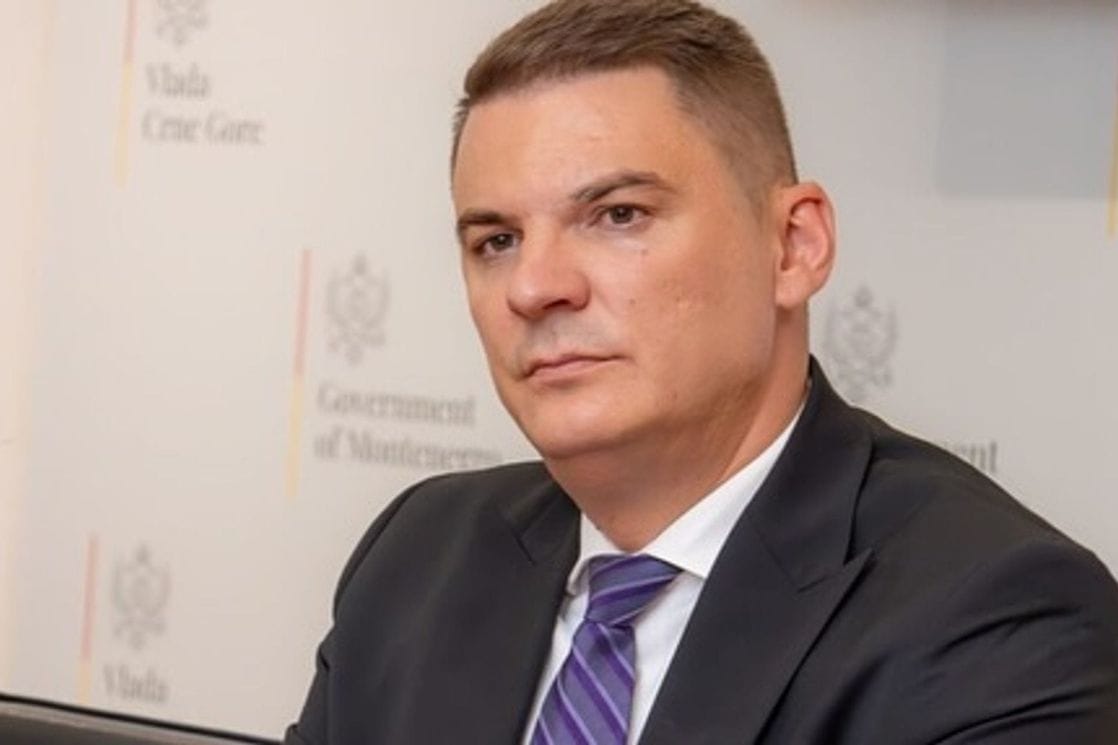
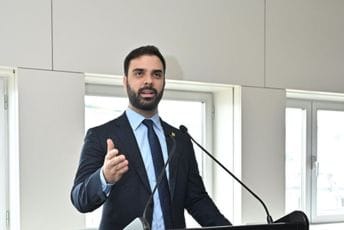
Montenegro’s government has finally decided to tackle one of today’s biggest challenges – the energy transition. By forming the Council for a Just Transition, led by Admir Šahmanović, Minister of Energy and Mining, the country shows it wants to seriously and strategically approach the shift from fossil fuels to sustainable energy sources. But is this just another political stunt or a real opportunity for the development of northern Montenegro?
What is a Just Transition?
A just transition is not just about closing mines or shutting down power plants. It’s a broader story about creating new jobs, strengthening the local economy, and building a sustainable future for all citizens. The goal is to make the shift to a green economy fair and inclusive, so no one is left behind, especially those most affected by the changes.
Who’s on the Council?
The Council isn’t just politicians. It includes key decision-makers from various sectors: energy, finance, labor, social dialogue, ecology, public works, as well as managers of coal mines and the Electric Power Company of Montenegro. There’s also a representative from the municipality of Pljevlja, the town at the heart of this transition. So, all sides are involved – at least on paper.
What is the Council Supposed to Do?
The Council’s task is to provide guidelines for planning and implementing just transition policies, coordinate institutions and stakeholders, participate in drafting and monitoring the transition plan, and propose improvements to the legislative and institutional framework. In short, to be the brain of the whole operation.
But What Are the Real Chances for Northern Montenegro?
Northern Montenegro, especially Pljevlja, has depended on coal and thermal power plants for decades. Closing these facilities could cause economic collapse if alternatives aren’t provided. The government claims this is a development opportunity – creating new jobs and strengthening the local economy. But will this really happen, or will the north remain neglected and economically devastated?
Is This Just Another Paper Promise?
Forming the Council is definitely a step forward, but the question is how much real power and resources it will have to implement plans. The energy transition is a global challenge but also an opportunity. If not used properly, it can bring only losses and dissatisfaction.
Conclusion
Montenegro’s government has shown it wants to approach the energy transition seriously and strategically. By forming the Council for a Just Transition, it promises inclusiveness and fairness. However, the real battle is yet to come – will promises turn into concrete actions that save northern Montenegro from economic decline and bring new opportunities? Or will it all remain just on paper and in nice words?
Now, Your Turn!
What do you think? Is this just transition a real chance or just another political fairy tale? Drop your comments, share your thoughts, and remember – the energy of change is in your hands, but also in the hands of those who decide. Let your voice be heard!