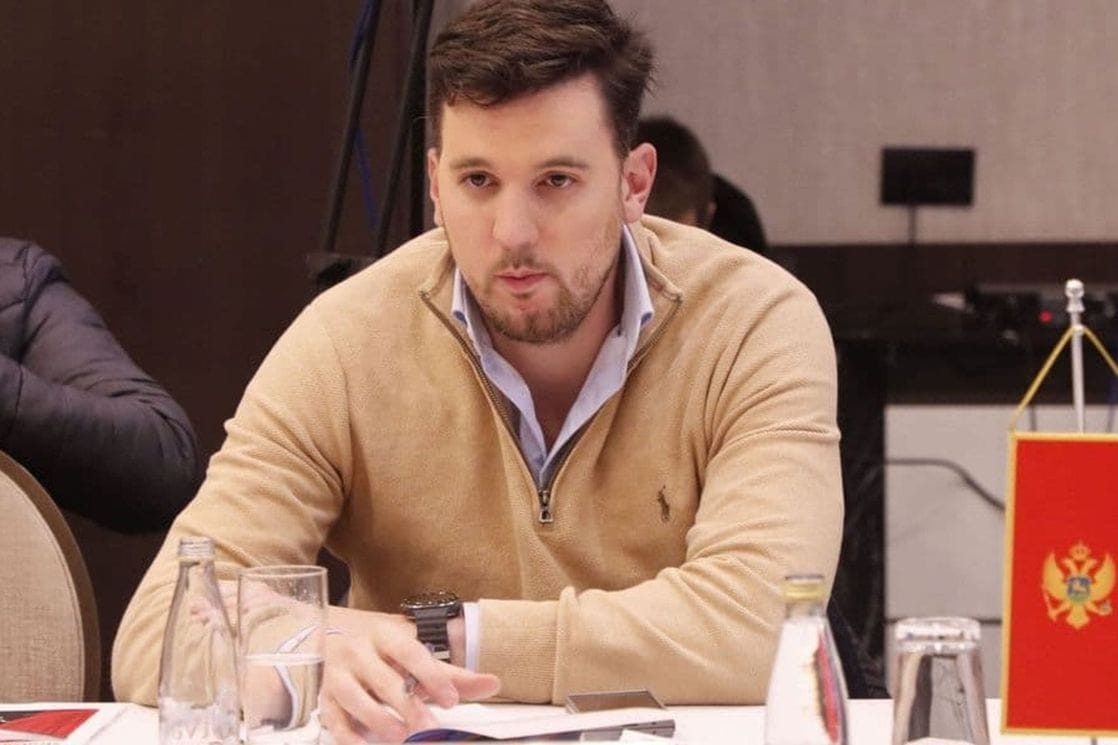



The main topic of the article concerns the political crisis in Montenegro and its impact on the process of European integration. On one hand, the current government is criticized for lacking genuine commitment to European integration, while simultaneously highlighting the presence of pro-Russian and Greater Serbian influences within the government. The European Union, according to the analysis, wants Montenegro in its ranks more than Montenegro wants the EU. President Jakov Milatović diagnoses the problems well but does not take effective action. The opposition is seen as pro-European and more mature but lacks sufficient support to change the situation. There are indications of institutional capture and government opacity, which further slows down the EU membership negotiations.
Political Perspectives:
Left: Left-leaning sources emphasize the systemic corruption, institutional capture, and the influence of nationalist and pro-Russian forces undermining Montenegro’s European integration. They highlight the need for genuine democratic reforms and criticize the current government for failing to deliver on EU membership promises.
Center: Center-leaning sources focus on the political stalemate and the challenges in governance that hinder Montenegro’s EU accession. They present a balanced view acknowledging both the government’s shortcomings and the opposition’s limited capacity, stressing the importance of political stability and reforms.
Right: Right-leaning sources tend to emphasize the threat of external influences, particularly from the ‘Serbian world’ and Russia, framing the political crisis as a struggle between pro-Western and pro-Serbian forces. They often criticize the government for being too weak or compromised and call for stronger national sovereignty and alignment with Western institutions.