



Invasion of Purple Jellyfish in Greece: The Sea Turns into a Battlefield for Swimmers!
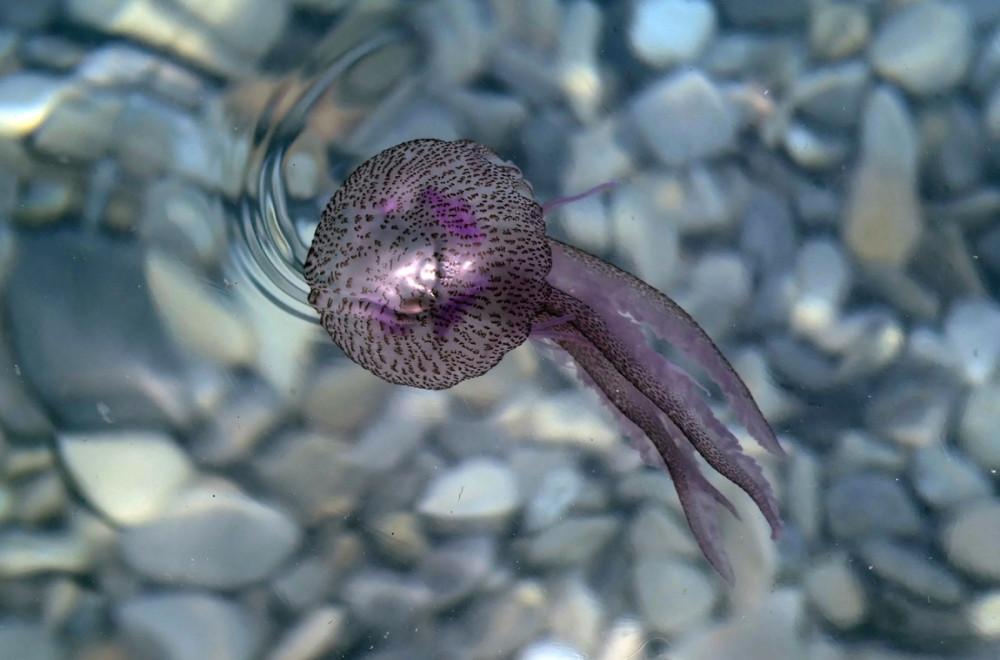
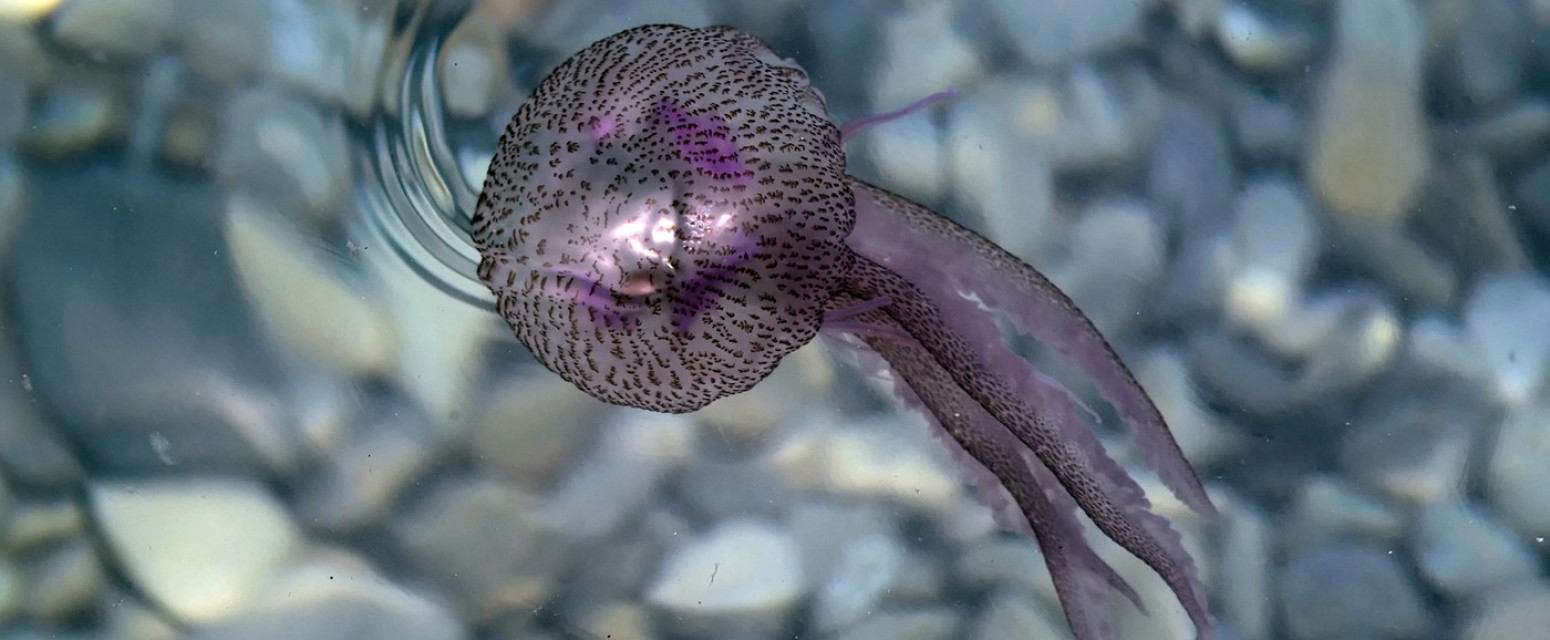
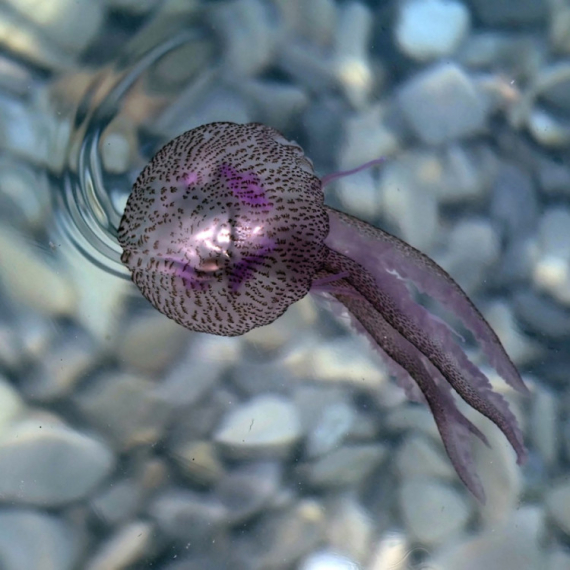
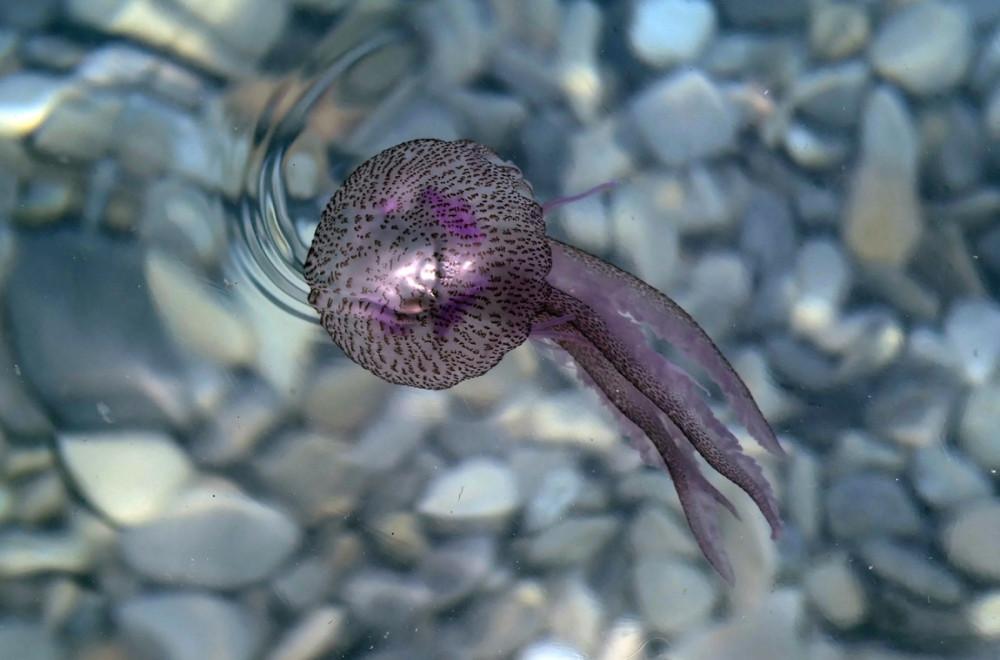
Greece this summer has become not only a paradise for sun and sea lovers but also a nightmare for those daring to dive into its waters. The purple jellyfish, known as Pelagia noctiluca, have swarmed the coasts of central Greece and surrounding areas, turning vacations into a painful adventure.
What’s Happening?
The Hellenic Biodiversity Observatory reports a massive invasion of these jellyfish along coastal areas, especially in the Pagasitikos Gulf and nearby regions. Initial estimates were underestimated due to a lack of public reports, but now the situation has worsened, and the jellyfish are spreading faster than experts expected.
Why Are These Jellyfish a Problem?
Pelagia noctiluca is no ordinary jellyfish. Its tentacles are covered with stinging cells that can cause extremely painful stings. While generally not deadly, the stings can cause severe pain, redness, swelling, and in rare cases, serious systemic reactions requiring urgent medical attention. Imagine enjoying the beach and suddenly being attacked by a swarm of these tiny venomous creatures — a true nightmare!
How Long Will This Invasion Last?
Large jellyfish populations in Greece appear every four to five years and usually remain for two to three years, depending on the region and marine ecosystem conditions. This invasion resembles those recorded across the Mediterranean between 2014 and 2016, including Spain, France, Italy, and the Adriatic Sea.
What Do Experts Say?
Marine biology professor Haritos Hintiroglu from Aristotle University of Thessaloniki points out that the phenomenon of jellyfish population growth is still a mystery. “We don’t know exactly why this increase happens,” he says, but warns that the situation is serious and must be monitored.
How to Protect Yourself?
If stung by a jellyfish, symptoms can be painful and long-lasting. Immediate medical help is recommended. There are specific measures to take after a sting, but none guarantee complete safety. The best advice is to be cautious and avoid swimming in areas with large jellyfish populations.
Tourist Chaos and Consequences
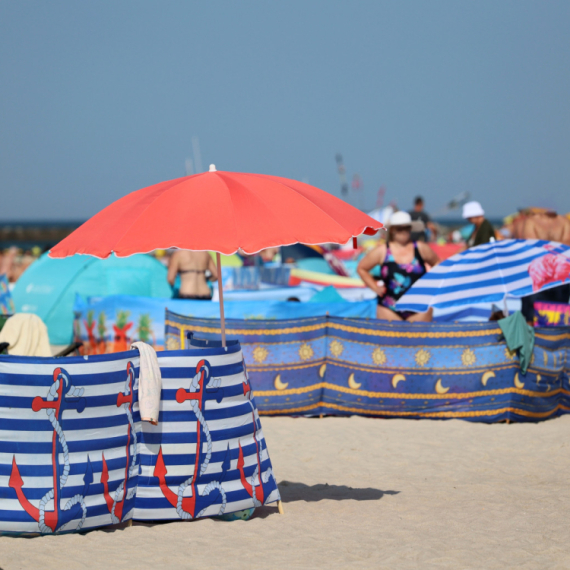
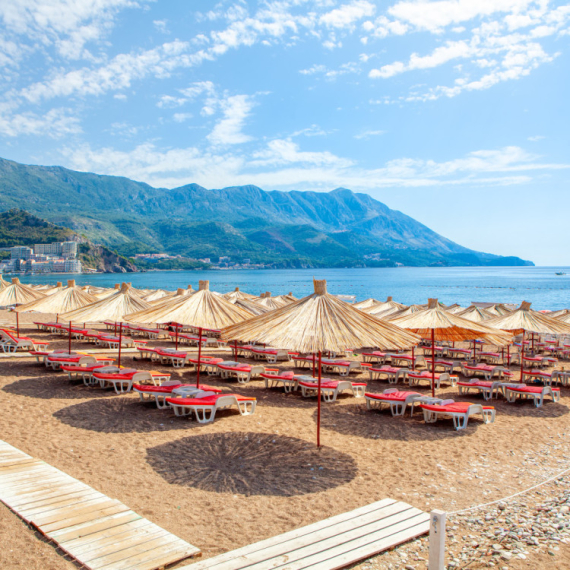
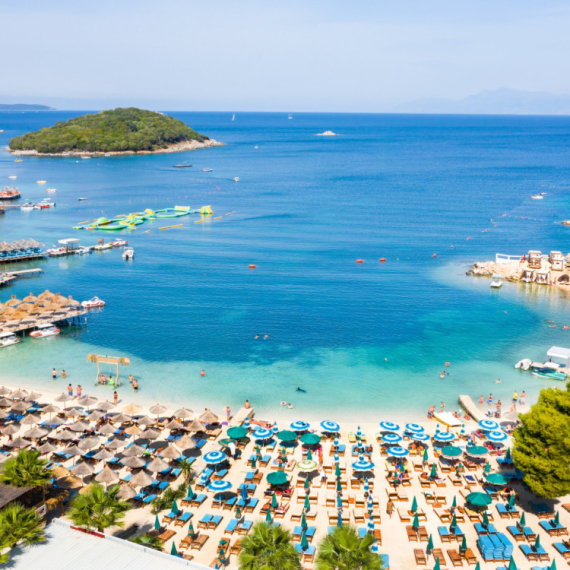
This invasion comes at the worst possible time — peak summer season when beaches are crowded with tourists. Many wonder how this will affect tourism in Greece, especially in popular destinations like Halkidiki and the Pagasitikos Gulf. Will people give up swimming and vacations out of fear of jellyfish? Will Greece manage to fight off this marine menace, or will jellyfish take over the sea?
Bonus: Jellyfish Destroy Fish Farms
Another concern is that these jellyfish swarms can destroy entire fish farms, which could have long-term consequences for the local economy and food supply.
Conclusion
Greece faces a serious invasion of purple jellyfish that can ruin vacations and threaten swimmers’ health. Scientists are still studying this phenomenon, but one thing is clear — summer 2024 won’t be like the previous ones. If you plan to vacation in Greece, prepare for unexpected encounters with these dangerous sea creatures.
So, dear readers, have you ever had a run-in with jellyfish? Or maybe you have a hilarious tip on how to avoid them? Drop a comment and let’s see who’s the real sea wolf and who’ll be swimming in a pool next year!