


Student Blockades in Serbia: Revolution in the Streets or Endless Chaos?
For weeks now, Serbia has been witnessing a dramatic scene on its streets – students and citizens are blocking intersections across the country, demanding early parliamentary elections and the release of arrested colleagues. Is this the beginning of a civic revolution or just chaos that no one can stop?
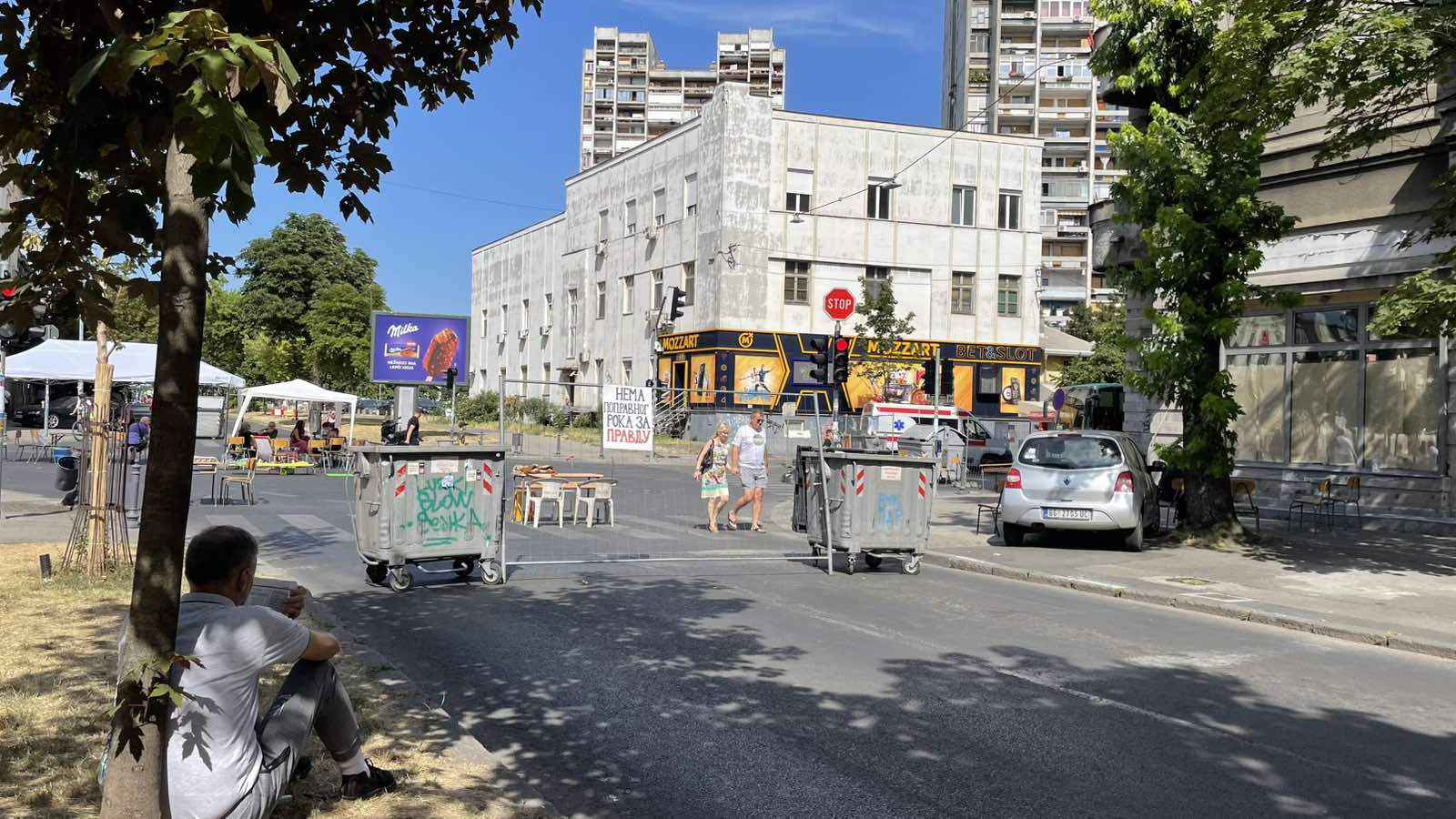
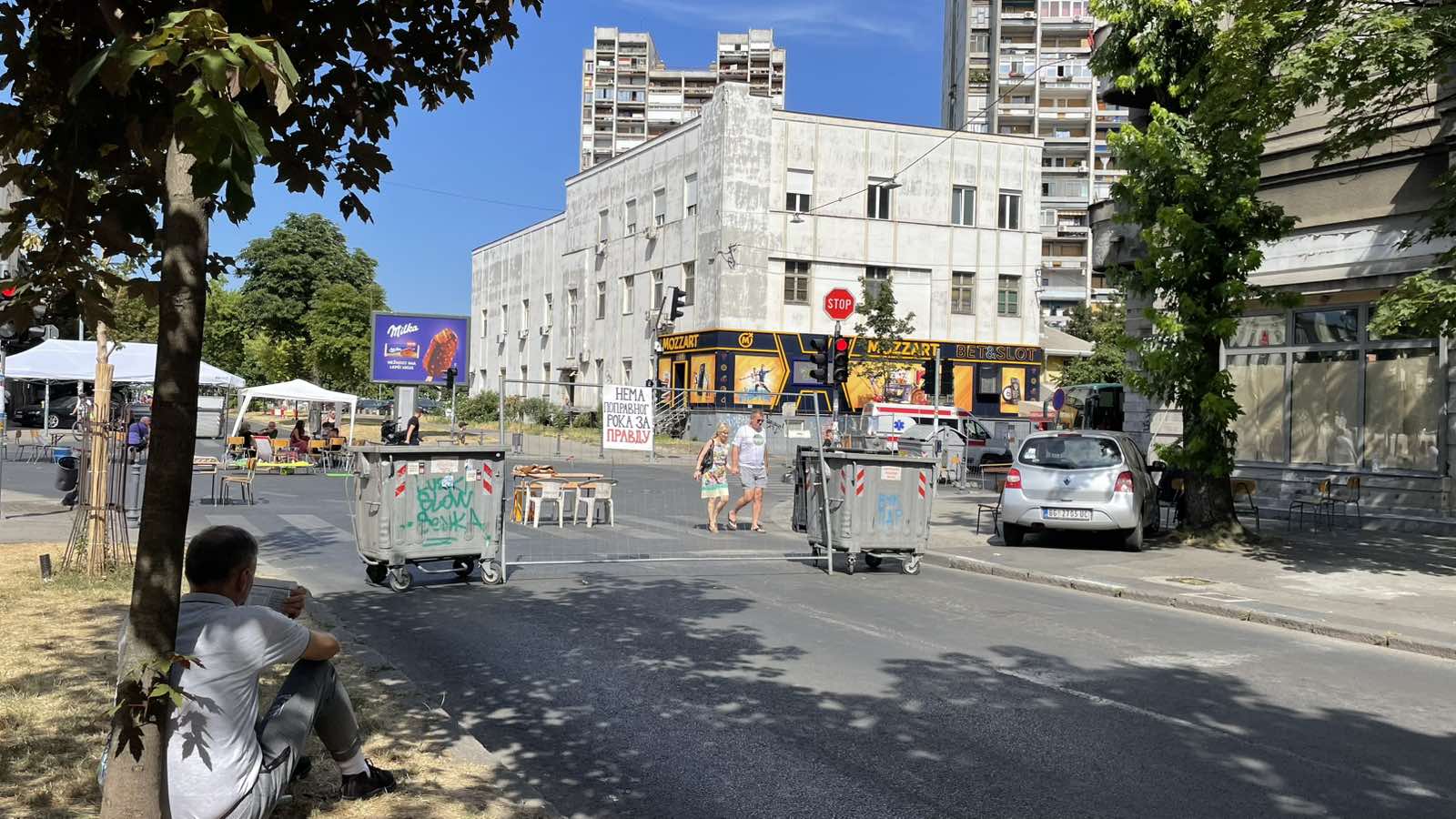
Blockades That Won’t Stop Since June 29, blockades have spread to Belgrade, Novi Sad, Niš, Kragujevac, Zemun, and many other cities. Students and citizens refuse to back down despite police cordons and arrests. In some places, like the Pupin Bridge in Zemun, the blockades are so massive that people brought umbrellas, deck chairs, and water, turning intersections into pedestrian zones.
Incidents have occurred – in Zemun, a car tried to break through a blockade and knocked down a woman. Police intervened, but this did not deter the protesters. Students have clearly stated they will continue the blockades until their demands are met.
Demands and Government Reactions The main demands are the calling of early parliamentary elections and the release of students arrested after the Vidovdan protest. The president of the Serbian Progressive Party, Miloš Vučević, stated that elections will not be called due to the blockades, while the Speaker of the Serbian Parliament, Ana Brnabić, called the protests a “sign of impotence and frustration” of the participants.
Lawyers for the arrested students claim some suffered serious injuries and there are reasonable suspicions that police officers committed crimes of abuse and torture. On the other hand, students and citizens organize gatherings and call for continued civil disobedience, including work stoppages in unions.
Citizens Refuse to Back Down Despite pressure and police actions, citizens gather and block intersections in several cities. In Sombor, Niš, Čačak, and Kragujevac, citizens’ assemblies have been organized, announcing new blockades. Students have announced they will allow emergency vehicles and doctors to pass but will not give up on protests.
Political Analyses and Predictions Activists and analysts say this is the most massive wave of civil disobedience in recent years. Aleksandar Vučić, according to some estimates, has lost the trust of a large part of the population, and pressure on the government will only increase. Some believe Vučić will be forced to call elections, while others predict an attempt to form a unity government to ease tensions.
What Next? Blockades have become a daily occurrence, and the end of protests is not in sight. While authorities try to suppress dissatisfaction, students and citizens show they are ready for a long fight. Whether this civil disobedience will lead to real change or end as another failed attempt remains to be seen.
By the way, if you ever wondered what it looks like when an entire country stands up and says “enough,” now you have your answer. What do you think – revolution or chaos? Drop a comment, maybe your word will spark the next wave of protests!