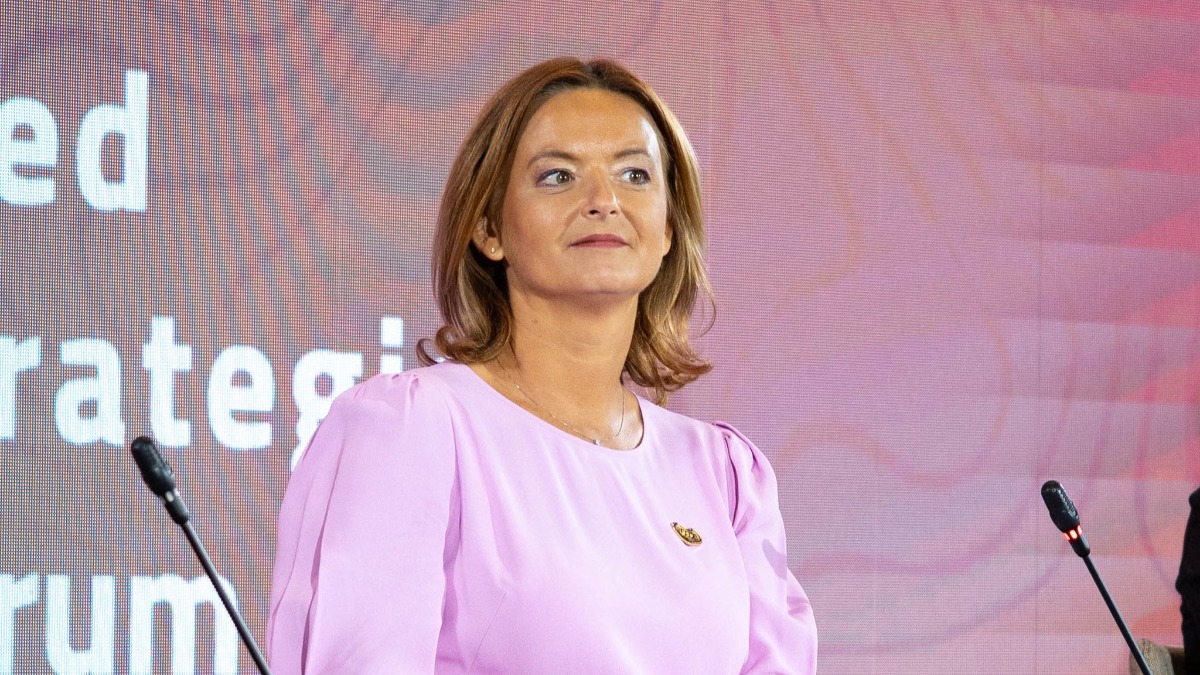





Slovenian Foreign Minister Tanja Fajon called for the renewal of the Schengen system within the European Union. She noted that the Schengen area consists of 29 countries, a third of which have internal border controls, contrary to the original idea of open borders. Fajon emphasized that Slovenia remains a strong advocate of the Schengen system of open borders, especially on the occasion of the 40th anniversary of the signing of the first Schengen agreement. The topic is relevant in the context of challenges related to migration and security within the EU.
Political Perspectives:
Left: Left-leaning sources emphasize the importance of maintaining open borders within the EU as a symbol of European unity and freedom of movement. They highlight Tanja Fajon’s call as a progressive step towards strengthening cooperation and solidarity among member states, addressing migration challenges with humane policies, and preserving the original spirit of the Schengen Agreement.
Center: Center-leaning sources focus on the practical aspects of renewing the Schengen system, acknowledging the need for balance between open borders and security. They report on Fajon’s statements factually, noting the current challenges with internal border controls and the significance of the 40th anniversary of the Schengen Agreement, emphasizing cooperation and modernization of the system.
Right: Right-leaning sources tend to emphasize the security concerns related to open borders, often highlighting the internal border controls as necessary measures to protect national sovereignty and prevent illegal migration. They may view Fajon’s call as idealistic, stressing the need for stricter border controls and cautioning against the risks of fully open borders within the EU.