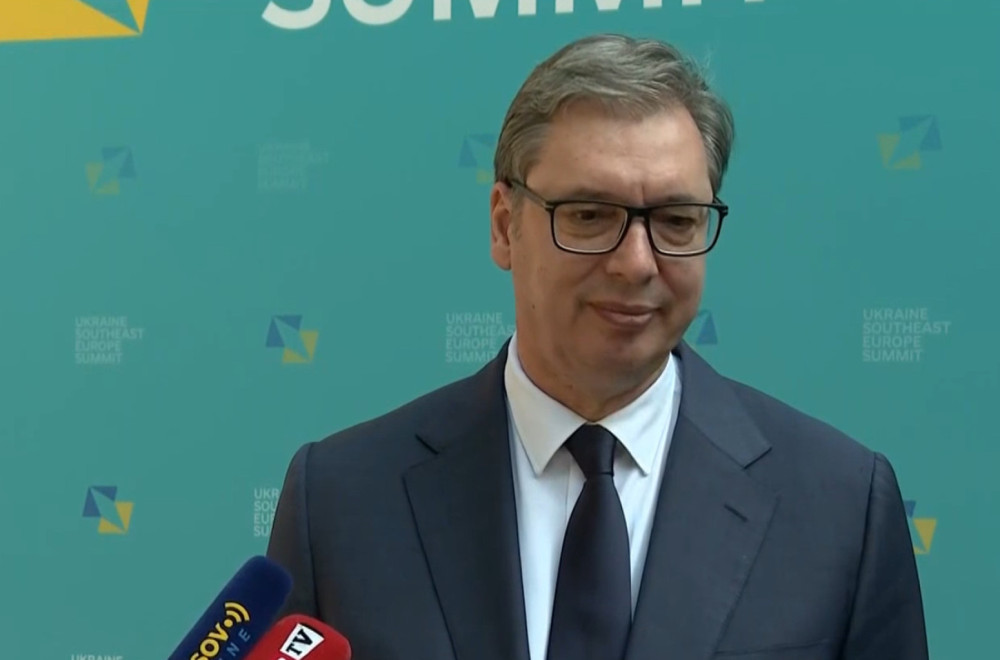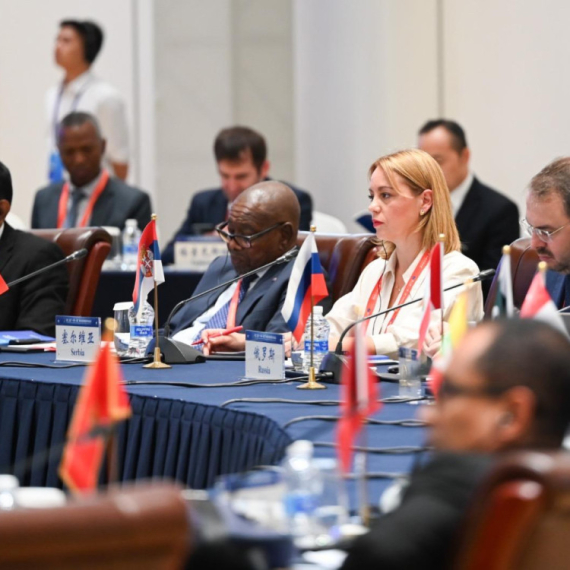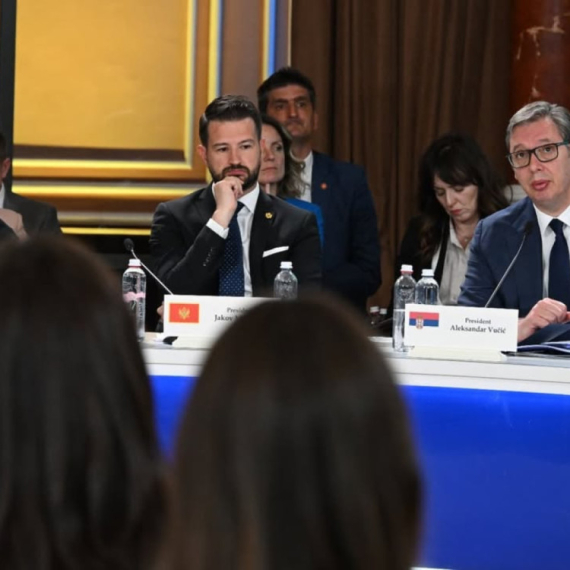





Serbian President Aleksandar Vučić stated at the Southeast Europe Summit in Odessa that he did not betray Russia, contrary to claims by some Serbian media, as Serbia did not sign the anti-Russian declaration. Vučić emphasized that Serbia was restrained and protects its interests, which are always aligned with international law. He criticized media accusing him of betrayal and highlighted the importance of Serbia’s independent policy. Vučić also noted that his policy is based on personal connections and long-standing relationships, enabling him to conduct an independent and free policy. This topic elicits varied reactions in Serbia, where there are emotional responses towards Ukraine, but Vučić believes Serbia has the right to pursue its own policy and is proud of it.
Political Perspectives:
Left: Left-leaning media tend to emphasize Vučić’s balancing act between Russia and the West, highlighting the complexity of Serbia’s geopolitical position. They often focus on the criticism of media sensationalism and the importance of maintaining Serbia’s sovereignty and independent foreign policy. The narrative may also include skepticism towards Western pressure on Serbia to take a clear stance against Russia.
Center: Centrist media report Vučić’s statements factually, presenting his refusal to sign the anti-Russian declaration as a diplomatic move to protect Serbia’s interests. They highlight Serbia’s position of restraint and the challenges of navigating relations with both Russia and Ukraine. The coverage tends to be neutral, focusing on the political implications and Serbia’s foreign policy strategy.
Right: Right-leaning media often portray Vučić as a strong leader defending Serbia’s traditional ties with Russia and resisting Western influence. They emphasize the narrative of betrayal accusations as unfounded and criticize media outlets that accuse Vučić of disloyalty. The focus is on national pride, sovereignty, and the importance of maintaining good relations with Russia.