




Muve kao heroji otpada: Da li smo spremni na revoluciju u upravljanju hranom?
Zamislite grad gde milioni muva ne samo da ne iritiraju, već i rešavaju jedan od najvećih problema modernog društva – otpad od hrane. Da, dobro ste pročitali! Viljnus, glavni grad Litvanije, već je krenuo u ovu bizarno briljantnu avanturu. Milioni muva i njihove larve gutaju čak 6,4 miliona tona otpada hrane godišnje, a grad štedi milione evra!
Muve koje jedu đubre? Da li je to moguće?
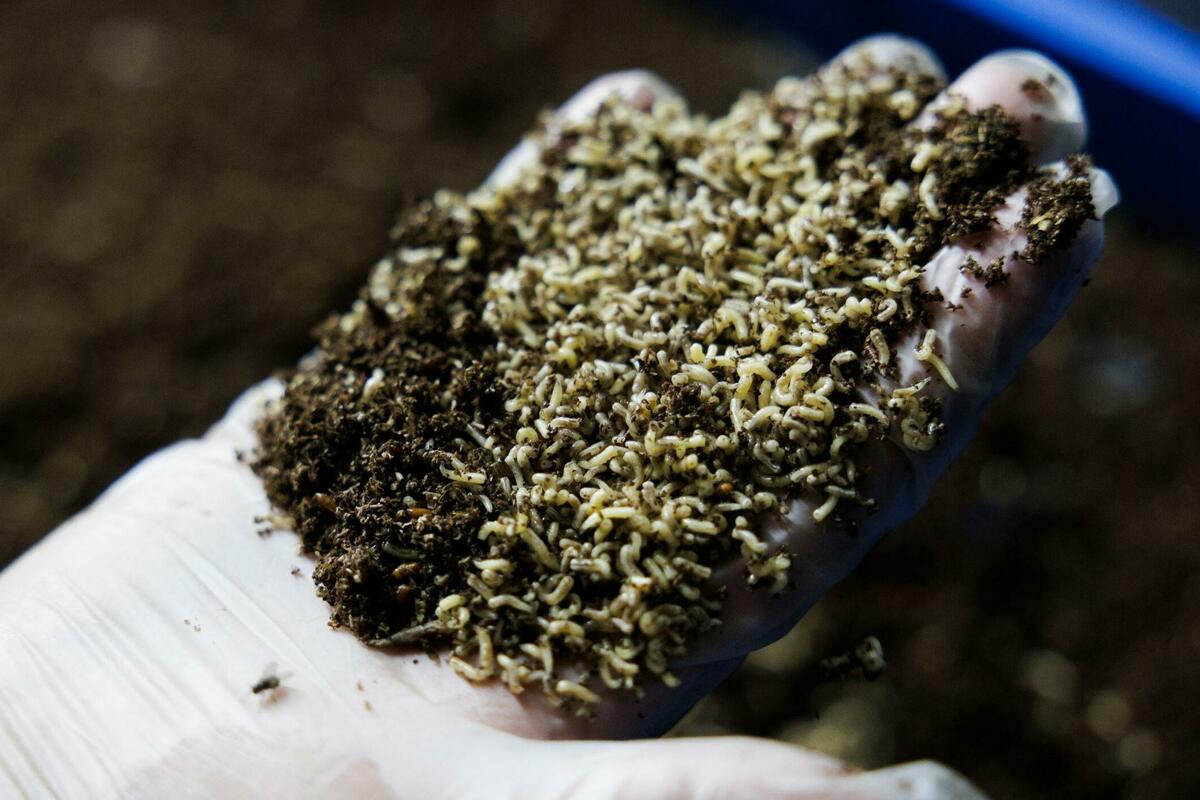
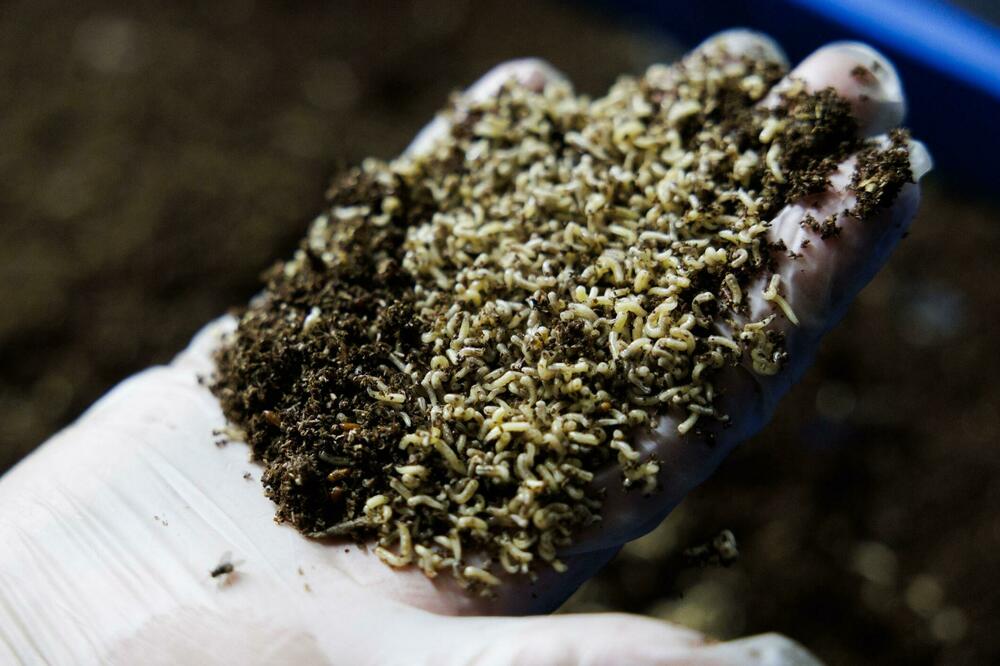
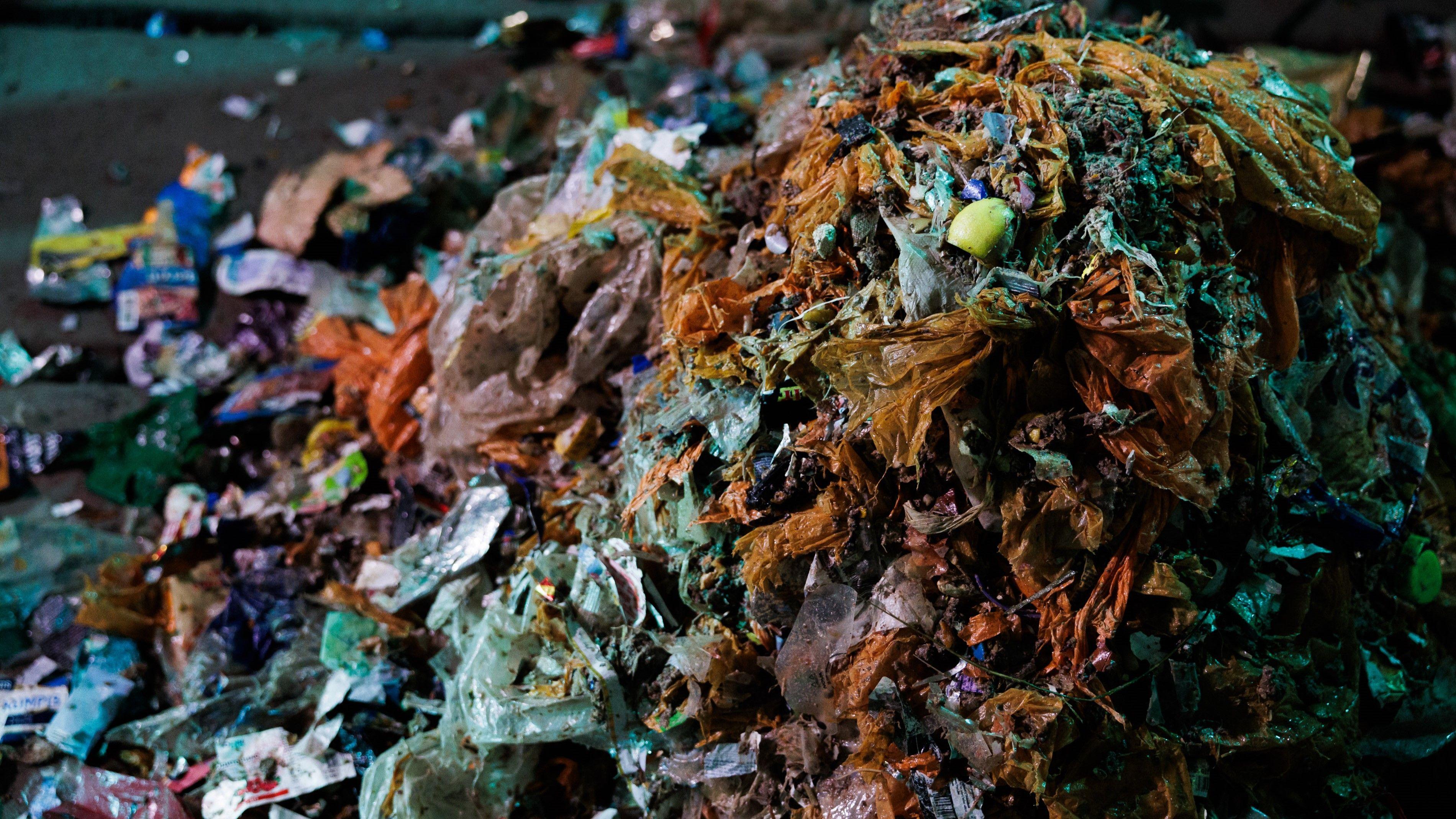
Većina nas instinktivno beži od muva, a pomisao na larve koje se hrane našim ostacima hrane zvuči kao scena iz horor filma. Ali u Viljnusu, larve muva su zvanično zaposlene da pojedu 2.700 tona otpada hrane iz domaćinstava i susednih opština. Kompanija Energesman, koja upravlja otpadom, ne naplaćuje ovu uslugu gradu, a ušteda je oko 2 miliona evra godišnje.
Larve muva su pravi mali glavni junaci – jedna ženka može izleći oko 500 jaja u životnom veku od 21 dan, a tri miliona larvi mesečno mogu pojesti više od 11 tona otpada hrane u prvim danima života. Studije pokazuju da njihov roj može uništiti picu prečnika 40 centimetara za samo dva sata!
Šta se dešava sa larvama posle?
Larve su bogate proteinima i mogu se koristiti kao sastojci za hranu životinja ili u industriji – od farbi, lepka, do nameštaja. Njihov izmet, poznat kao fras, može biti organsko đubrivo. Energesman već ima probne lance snabdevanja za ove proizvode, mada je proces komplikovaniji nego što su očekivali.
Da li će muve osvojiti i Veliku Britaniju?
Iako je ideja o muvama koje jedu naš otpad možda šokantna, britanske gradske vlasti pokazuju interesovanje. Sa novim zakonima koji od marta 2025. godine obavezuju nedeljno sakupljanje otpada hrane, muve bi mogle postati zvanični radnici u borbi protiv otpada. Međutim, postoje regulatorne prepreke koje trenutno zabranjuju korišćenje larvi muva za ljudsku ishranu zbog rizika od kontaminacije.
Zašto je ovo važno?
Globalno, baca se preko 1,3 milijarde tona hrane godišnje, a oko 40% tog otpada moglo bi se reciklirati pomoću insekata. Ovo ne samo da smanjuje troškove i emisiju metana, već proizvodi vredne proteine i organsko đubrivo.
Da li ste spremni da prihvatite muve kao saveznike?
Ova ideja možda zvuči kao naučna fantastika, ali je stvarnost u Viljnusu. Dok čekamo da li će i drugi gradovi slediti njihov primer, možda je vreme da prestanemo da gledamo na muve kao na dosadne štetočine, već kao na male heroje naše planete.
A vi? Da li biste dozvolili muvama da jedu vaš otpad? Ili vam se već diže kosa na glavi od same pomisli? Podelite svoje mišljenje, možda zajedno smislimo kako da ove male zverke postanu naši saveznici, a ne neprijatelji!
Flies as Waste Heroes: Are We Ready for a Food Waste Revolution?
Imagine a city where millions of flies not only don’t annoy but solve one of the biggest problems of modern society – food waste. Yes, you read that right! Vilnius, the capital of Lithuania, has already embarked on this bizarrely brilliant adventure. Millions of flies and their larvae consume up to 6.4 million tons of household food waste annually, saving the city millions of euros!
Flies eating garbage? Is that possible?
Most of us instinctively shoo flies away, and the thought of larvae feeding on our food scraps sounds like a horror movie scene. But in Vilnius, fly larvae are officially employed to consume 2,700 tons of food waste from households and neighboring municipalities. The waste management company Energesman does not charge the city for this service, saving about 2 million euros annually.
Fly larvae are real tiny heroes – one female can lay about 500 eggs in a 21-day lifespan, and three million larvae monthly can consume over 11 tons of food waste in their early days. Studies show their swarm can destroy a 40 cm pizza in just two hours!
What happens to the larvae afterward?
Larvae are rich in protein and can be used as ingredients for animal feed or industrial products – from paints, glue, to furniture. Their excrement, known as frass, can be organic fertilizer. Energesman already has trial supply chains for these products, although the process is more complicated than initially thought.
Will flies conquer the UK too?
Although the idea of flies eating our waste might be shocking, British city authorities show interest. With new laws mandating weekly food waste collection from March 2025, flies could become official workers in the fight against waste. However, regulatory hurdles currently prohibit the use of fly larvae for human food due to contamination risks.
Why does this matter?
Globally, over 1.3 billion tons of food are wasted annually, and about 40% of that waste could be recycled using insects. This not only reduces costs and methane emissions but produces valuable proteins and organic fertilizer.
Are you ready to accept flies as allies?
This idea may sound like science fiction, but it’s reality in Vilnius. While we wait to see if other cities follow suit, maybe it’s time to stop seeing flies as annoying pests and start viewing them as little heroes of our planet.
So, what do you think? Would you let flies eat your waste? Or does the very thought make your skin crawl? Share your thoughts, maybe together we can figure out how these tiny beasts can become our allies, not enemies!